Archaeologists uncover sprawling Roman estate buried for centuries beneath farmland
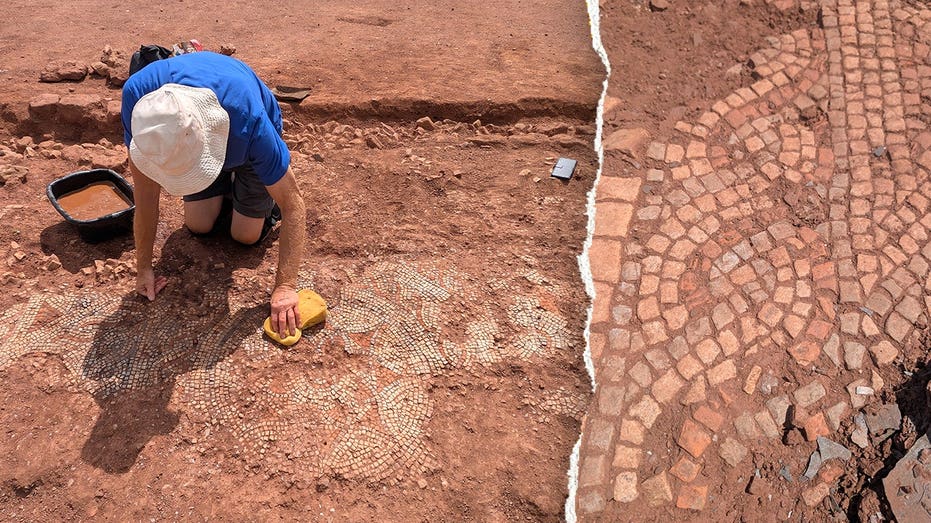
Archaeologists in the UK have uncovered the remains of a large fourth-century Roman villa buried on farmland in Devon, near the villages of Halberton and Sampford Peverell. The find is significant because it includes a mosaic believed to be the westernmost example ever discovered in Roman Britain, offering fresh insight into the extent and sophistication of Roman settlement in the south-west of England.
The excavation, which unearthed a sprawling estate dating back more than 1,600 years, was led by the Saving Halberton's Ancient Roman Environment (SHARE) project, a partnership involving the University of Exeter. Researchers say the discovery sheds light on Roman life in a part of Britain not typically associated with grand villa estates, and further study of the site is expected to continue.
- Roman villa found buried on Devon farmland, dating to the 4th century
- Site includes westernmost mosaic ever found in Roman Britain
- Dig led by University of Exeter-linked SHARE archaeology project