Archive, 1985: Alcohol banned from football grounds in England and Wales
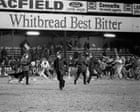
Following serious violence at the Luton Town versus Millwall FA Cup match in March 1985 and the Heysel Stadium disaster, the Thatcher government introduced the Sporting Events (Control of Alcohol etc.) Act 1985, which banned alcohol from football grounds in England and Wales. The measure was intended to curb decades of football-related disorder, with excessive alcohol consumption seen as a significant contributing factor to hooliganism. The ban has remained in place for over four decades, though current UK Prime Minister Andy Burnham has recently questioned whether it constitutes unfair discrimination against football supporters.
On the evening of the Luton-Millwall match, riots broke out after Luton's 1–0 victory, resulting in forty-one injuries (including thirty-one police officers), approximately £15,000 in damage to the stadium, and extensive destruction to nearby shops, homes, cars and a British Rail train. The government's response was swift; Margaret Thatcher met with Football Association officials to discuss countermeasures including tougher court penalties and club discipline measures. Scotland had already implemented an alcohol ban at football grounds in 1981. The 1985 Act was amended the following year by the Public Order Act 1986 to ease restrictions in executive boxes and boardrooms. Under current regulations, fans may consume alcohol in designated stadium areas without direct views of the pitch.
- Alcohol banned at English and Welsh football grounds in 1985 following hooliganism and violence
- Current PM Andy Burnham questions whether the four-decade-old ban unfairly discriminates against supporters
- Fans can drink in limited areas; executive sections received exemptions after 1986 amendment