Florence exhibition finds expressive power in sculpture’s fragments
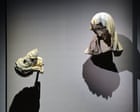
A new exhibition at the Palazzo Strozzi in Florence titled "Broken: The Power of Fragments" explores how damaged and fragmented sculptures can be more powerful and emotionally resonant than intact artworks. Featuring over 80 objects, the exhibition challenges the classical notion that beauty derives from wholeness and instead argues that fragments focus viewer attention on subtle details in ways that complete sculptures cannot. The show raises intriguing questions about why some works of art speak more profoundly in a broken state than when whole.
The exhibition showcases numerous historically significant fragments, including a striking sculpture of Akhenaten's lips and nose from the 14th century BC, a decapitated prior from the Protestant Reformation, remnants of an equestrian statue of Louis XIV destroyed during the French Revolution, and a bust of Mussolini defaced with a bullet hole. Throughout history, destroying images of rulers and deities was common practice during regime changes, as it was believed the images contained a "life force" that needed to be eliminated; in some cases, these defaced sculptures were intentionally displayed as deterrents. The exhibition also explores artistic fragmentation beyond historical destruction, including Japanese dogū figurines that may have been intentionally smashed like modern piñatas during ceremonial celebrations.
- Broken sculptures can evoke stronger emotions than intact artworks by focusing attention on details
- Historical examples show deliberate destruction of images during religious and political upheaval
- Ancient beliefs held that destroying sculptures destroyed rulers' "life forces"
Read the full article at the source →
Originally published by The Guardian as “Armless fun: why sculpture can have far more power and be much more sensuous when it’s broken”.