As mosquito ranges expand, better monitoring is key to preventing disease
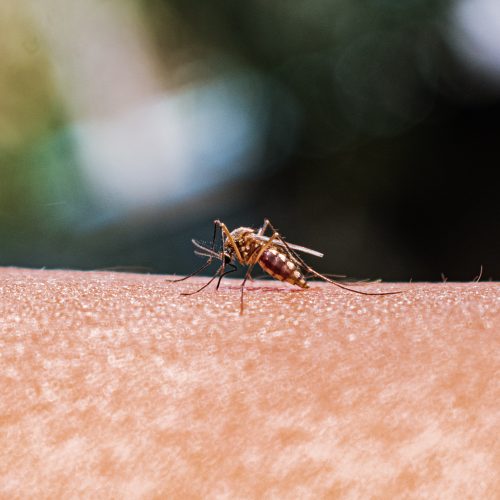
As climate change makes historically temperate regions such as New England warmer and wetter, mosquito species and the diseases they carry are expanding into new areas, prompting calls for better monitoring to protect public health. Connecticut's statewide mosquito surveillance programme has identified 54 species, including invasive types such as the Asian tiger mosquito, which can spread dengue and Zika and has moved north from its traditional range in hotter, humid southern climates. Experts warn that testing mosquitoes is essential to identifying disease hotspots before human cases emerge, yet most of the United States lacks coordinated statewide tracking.
Connecticut recently confirmed mosquitoes carrying West Nile virus this season, the leading cause of mosquito-borne illness in the north-eastern US, which has caused more than 3,300 deaths nationally since 1999. The state's monitoring scheme, set up to track the rarer but more severe Eastern equine encephalitis (roughly 30% fatal), is now seeing more frequent outbreak cycles that scientists link to climate change. Nationally, over 1,000 largely local mosquito control agencies operate without a unified database, and researchers warn that warming temperatures could allow tropical diseases such as Zika, dengue, chikungunya and malaria to become established in temperate regions as mosquitoes reproduce faster and their active season lengthens.
- Climate change is pushing disease-carrying mosquitoes into new, cooler regions
- Connecticut's monitoring detected 54 species, including invasive disease vectors
- US lacks a unified national mosquito surveillance system despite growing risks