As temperatures get hotter, pesticides are more dangerous to farmworkers
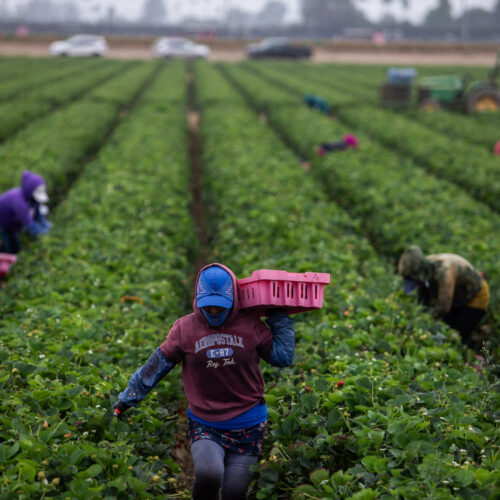
Rising temperatures are making pesticide exposure more dangerous for the United States' 2.4 million farmworkers, according to a growing body of research. Heat places extra stress on the body, making it more susceptible to the toxic effects of pesticides, while protective clothing needed to guard against chemicals also traps heat and adds to that strain. Higher temperatures increase evaporation rates and can chemically transform pesticides into more toxic compounds, and rising heat is also expected to expand pesticide use overall as pests, pathogens and weeds spread into new areas.
Thousands of farmworkers suffer acute pesticide poisoning each year, though a report from the Union of Concerned Scientists notes the true scale is likely undercounted due to inconsistent state reporting. Field workers who never directly handle chemicals make up the majority of reported poisoning cases, often because employers fail to post warnings about recently sprayed fields or provide adequate protective equipment and training; researchers have also found that PVC gloves break down faster in heat, reducing their effectiveness. Chronic exposure is linked to cancer, depression, diabetes, neurodegenerative disease and reproductive problems, and workers can also carry residue home, exposing family members. Separately, heat itself is the leading weather-related killer in the US, with OSHA recording 1,042 heat-related worker deaths between 1992 and 2022.
- Heat worsens pesticide harm for 2.4 million US farmworkers.
- Most poisoning cases hit workers who never directly handle chemicals.
- Weak enforcement, poor gear and reporting gaps compound the risks.