Asian nation with 1,500-year-old imperial line insists only men can become emperor in policy revision
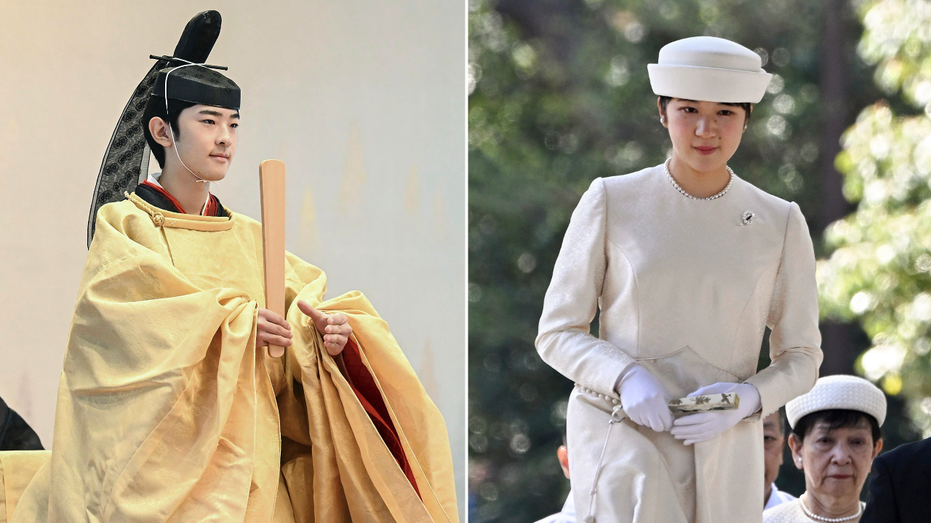
Japan's Parliament voted on Friday to enshrine male-only succession to the imperial throne, formally revising the Imperial House Law that has governed the world's oldest continuous monarchy. The decision effectively bars Princess Aiko, the only child of Emperor Naruhito and Empress Masako, from ever inheriting the throne, despite warnings from experts that restricting succession to men in the paternal line will accelerate the decline of an already shrinking and ageing imperial family.
The law being revised dates back to the 1800s, while the imperial line itself traces its origins back roughly 1,500 years. To offset the dwindling pool of eligible male heirs, the revisions will allow distant male relatives to be formally adopted into the imperial family, a measure intended to keep the succession line viable without opening it to female members.
In short
- Japan's Parliament votes to keep imperial succession male-only
- Move blocks Princess Aiko from ever becoming empress
- Distant male relatives can now be adopted into the imperial family
Steelman: both sides, in good faith
The strongest fair case each way — we don't pick a winner.
The case for
The imperial succession represents a fundamental continuity of Japanese cultural identity extending over millennia. Proponents argue that maintaining the established patrilineal succession principle preserves the symbolic and constitutional integrity of the institution as it has throughout history. The revised law provides for adopting distant male relatives to ensure viability, they contend, allowing the succession to continue without abandoning the foundational principle that has given the imperial system its distinctive character and unbroken continuity.
The case against
Critics contend that restricting succession to males whilst Japan is a modern democracy committed to gender equality is indefensible and practically threatens the institution's survival. Princess Aiko, as the direct heir of the reigning emperor, possesses every qualification for succession save gender; permitting female succession would ensure stable, direct inheritance whilst aligning the imperial succession with the gender-neutral principles governing Japanese law. The adoption compromise, they argue, risks undermining both practical stability of succession and the meritocratic inheritance principle that modern democracies require.
Explained simply
The Japanese imperial family represents the world's oldest continuous monarchy, with roots extending back approximately 1,500 years. Succession to the throne is governed by the Imperial House Law, a set of rules established in the 1800s that determines who within the imperial family can become emperor. The rules have long restricted the throne to male members of the imperial line.
Emperor Naruhito has one child, Princess Aiko, but succession rules prevent women from becoming empress. Japan's population has been declining and ageing, which has also affected the imperial family, shrinking the number of potential male heirs eligible to inherit the throne. This demographic challenge has raised concerns among experts about whether the monarchy can remain viable under the current succession system.
The succession rules have been formally revised to enshrine male-only succession, preventing female heirs from ever assuming the throne. To address the shortage of eligible male successors, the revised rules will allow distant male relatives to be adopted into the imperial family, preserving the line without changing the restriction against female succession.
Asia Government Politics World