At every opportunity, Anthony Fauci hid the truth about COVID, masks, from the American public
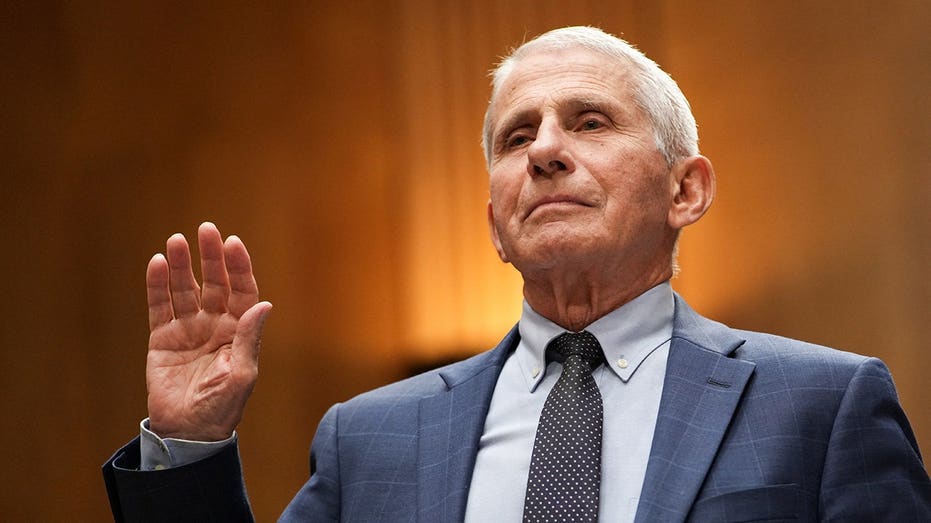
An opinion piece published by OutKick (Fox News) argues that Dr Anthony Fauci, the former director of the US National Institute of Allergy and Infectious Diseases, repeatedly concealed information from the American public during the COVID-19 pandemic. The article draws on Fauci's private diary, emails and text messages to claim he privately acknowledged doubts about lockdown effectiveness and mask policy while publicly presenting a different, more confident message, a discrepancy the author says undermines public trust in health officials.
The piece cites specific examples, including text messages from January 2021 in which Fauci reportedly discussed miscarriage risks linked to fevers following a second COVID-19 vaccine dose, even as he publicly stated there were no safety concerns for pregnant women. It also references a separate report describing a prominent pro-mask-mandate study as misleading, and notes comments from a former CDC director expressing disappointment at the lack of transparency during the pandemic. The article is framed as commentary criticising both Fauci and broader media coverage of the issue.
- Opinion piece accuses Fauci of hiding COVID truths from the public
- Cites private texts on vaccine miscarriage risk versus public reassurances
- References doubts over lockdowns, masks and a mask-mandate study
Both sides, in good faith
The strongest fair case each way — we don't pick a winner.
The case for
Supporters of Fauci's approach argue that communicating during a fast-moving, high-stakes pandemic requires distilling genuine scientific uncertainty into clear, actionable guidance that the public can follow, and that this is not the same as dishonesty. They would note that private deliberation weighing incomplete or conflicting data, including possible side effects against the dangers of infection, is precisely what careful science looks like, and that revising public guidance as evidence firmed up reflects normal scientific practice rather than concealment. Judging private caution against later-known facts, they would argue, unfairly recasts prudence as deceit.
The case against
Critics argue that public officials in a democracy owe citizens the fullest possible picture, including acknowledged uncertainty, so people can make informed choices about their own and their families' health. They would contend that projecting more confidence publicly than was privately held, particularly on sensitive matters such as pregnancy-related risks, effectively denied people informed consent and, once exposed, damages the trust that future public health guidance depends on. For them, the gap between private doubt and public certainty is a legitimate transparency failing regardless of the intentions behind it.