Australia Faces Historic Demographic Shift as Deaths Outnumber Births by 2060s
Developing story first seen 27 minutes ago
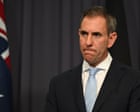
New projections show Australia’s population will grow more slowly than previously forecast, with deaths expected to outnumber births by the 2060s. Natural increase would then cease to drive population growth, leaving net migration as the country’s only source of expansion and increasing its importance for workforce skills.
Population is projected to reach 39.3 million by 2065–66, while annual growth averages 0.9 per cent, down from the previous 1.1 per cent estimate. Fertility is forecast to fall from 1.48 to 1.34 babies per woman; the under-20 population will rise only 10.4 per cent, while the number aged 85 and over is expected to triple. Ageing is projected to drive one-third of additional health spending, with government payments rising to 27.7 per cent of GDP.
- Deaths are expected to surpass births in Australia by the 2060s.
- Migration will become the sole source of population growth.
- Ageing will sharply increase pressure on health and public finances.
New here? Start with this
Australia's population has grown through two sources: natural increase, where more people are born than die, and net migration. Natural increase has historically been Australia's main driver of population growth, though migration has always played a role.
New forecasts show that by the 2060s, deaths will outnumber births in Australia, ending the contribution of natural increase to population growth. Instead, population expansion will depend entirely on net migration, marking a fundamental shift in Australia's demographic patterns.
This change matters because an ageing population requires more healthcare, and government spending on health is projected to rise sharply. Australia will also need to rely more heavily on migration to maintain workforce numbers and skills, making immigration policy increasingly central to economic planning.
Both sides, in good faith
The strongest fair case each way — we don't pick a winner.
The case for
Australia's ageing population and declining natural growth present genuine fiscal and labour challenges that merit managed immigration responses. A shrinking workforce-to-retiree ratio will strain the tax base relative to pension and healthcare obligations, whilst specific skill gaps in healthcare, construction, and technology require external talent. Historically, skilled migration has driven Australian innovation and prosperity; slower population growth risks reduced economic dynamism, diminished labour force participation, and potentially compromised living standards if productivity gains alone cannot offset demographic headwinds. Managing this transition through selective, skills-based migration is preferable to allowing infrastructure and services to atrophy.
The case against
Slower population growth offers Australia a chance to address longstanding pressures on housing, infrastructure, and environment that decades of rapid expansion have exacerbated. A mature, ageing society need not be a burden if properly supported through adequate aged care investment and taxation policy; Japan and several Nordic nations demonstrate that high living standards are compatible with stable or declining populations. Reliance on immigration to solve demographic challenges may prove illusory, as migrants themselves age, and the focus on population quantity diverts attention from policies ensuring quality of life, environmental sustainability, and social cohesion. Productivity improvements and improved work practices can offset smaller workforce numbers without perpetual population growth.
Coverage
- The Guardian — More Australians will be dying than being born in 40 years as major report predicts future of lower growth
- Daily Mail — Australia may rely solely on migration for population growth as births decline
AI Art Culture Government Politics Software Technology World