Australia investigating Flydubai co-pilot’s links to country
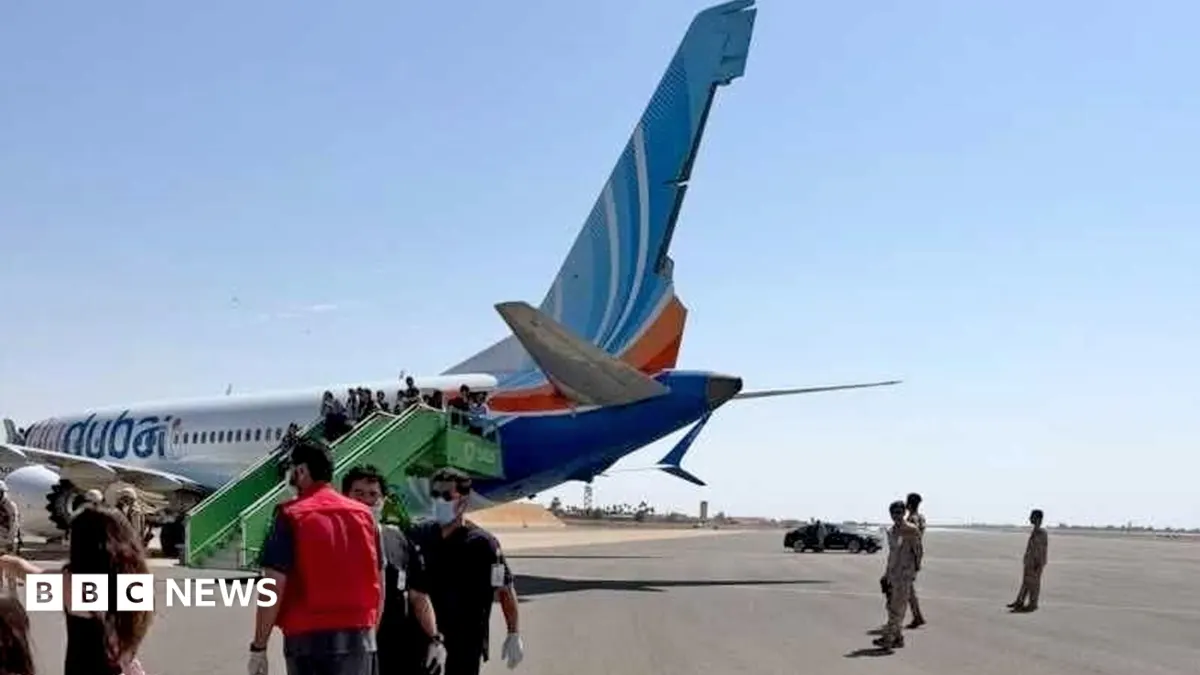
Australian authorities are investigating a Flydubai co-pilot’s links to Australia after he allegedly attacked the captain with a crash axe and tried to take control of a flight to Israel. The inquiry is examining his time in the country, including whether he was radicalised there, while prosecutors in the United Arab Emirates investigate the incident and possible motives.
The flight, carrying more than 170 people from Dubai to Tel Aviv on 30 September, plunged about 17,000 feet after the attack. Passengers helped the injured captain regain access to the cockpit, and two reserve pilots diverted the plane safely to Saudi Arabia; the co-pilot was arrested there. Australian media report he studied in Australia from 2015 to 2017 on a student visa issued in 2014, which was cancelled in 2019, and later completed a UK distance-learning degree in aviation management.
- Australia is examining the co-pilot’s links to the country.
- The plane plunged 17,000 feet after the alleged cockpit attack.
- Passengers helped the captain, and reserve pilots landed safely in Saudi Arabia.
New here? Start with this
On 30 September, a Flydubai flight carrying more than 170 people from Dubai to Tel Aviv experienced a serious incident when the co-pilot allegedly attacked the captain with a crash axe and attempted to seize control of the aircraft. The plane descended approximately 17,000 feet before passengers assisted the injured captain in regaining access to the cockpit, and two reserve pilots successfully diverted the flight to Saudi Arabia.
The co-pilot, who was arrested in Saudi Arabia, had previously spent time in Australia, studying there between 2015 and 2017 on a student visa that was later cancelled in 2019. He subsequently completed a distance-learning degree in aviation management through a UK institution.
An attack by flight crew against a captain represents a serious safety incident in commercial aviation. The co-pilot's previous study in Australia has led authorities to examine his experiences there, including whether factors during his time in the country may have influenced his actions.
Both sides, in good faith
The strongest fair case each way — we don't pick a winner.
The case for
Australia should examine whether its vetting and monitoring procedures for international aviation students were adequate, particularly given that a former student allegedly committed this serious act. Reviewing such procedures and strengthening them where gaps exist represents a responsible approach to aviation security and may prevent future incidents.
The case against
Attributing responsibility to Australia for an isolated criminal act risks unfair profiling of international students and aviation professionals. There is no evidence that Australia's vetting procedures failed in this case, and responding with stricter controls could unfairly burden legitimate students and professionals whilst offering minimal genuine security benefit.