Australian consumer confidence slumps after fourth interest rate rise
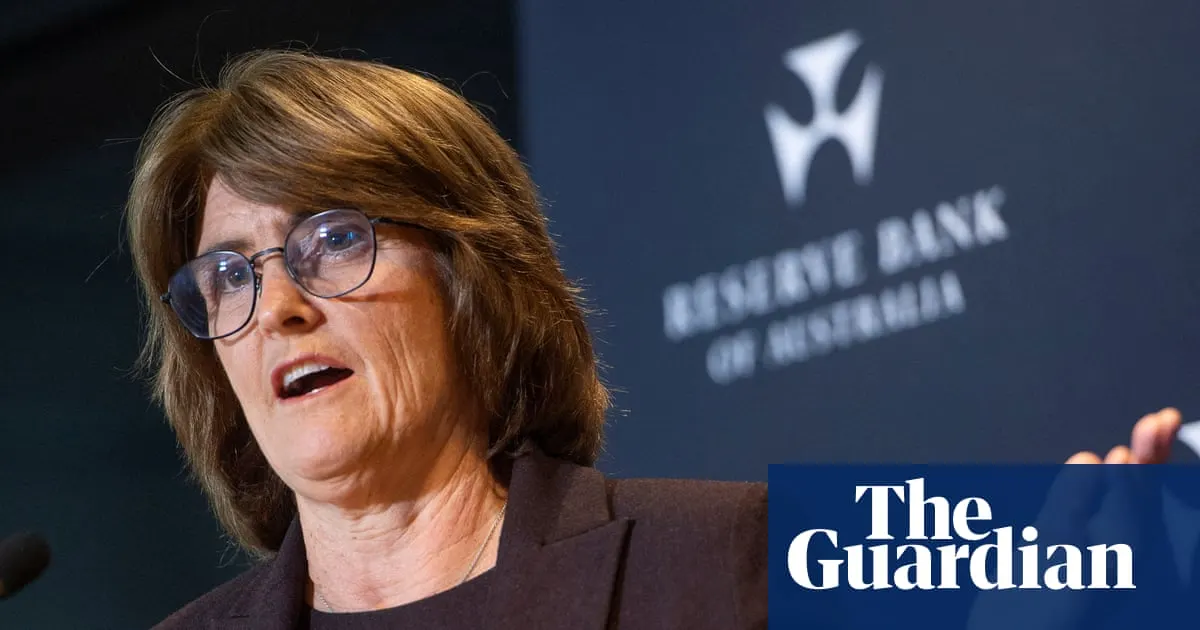
Australian consumer confidence fell sharply after the Reserve Bank raised interest rates for the fourth time this year, leaving borrowing costs at their highest since 2011. The decline points to households feeling increasingly squeezed by living costs and could foreshadow weaker spending per person.
The Westpac–Melbourne Institute index fell 4.7% to 80.4 in October, while responses after the 29 September rate decision dropped to 67.2, the lowest since the late 1990s. Mortgage holders were the most pessimistic at 77 points, while renters were unchanged at 84.8; a typical household’s weekly petrol bill is estimated to have risen by $20 since the start of the year. Job-loss fears increased, though vacancies reached a two-year high of 122 points.
- Confidence fell to its lowest level since the late 1990s after the rate rise.
- Households face higher borrowing and fuel costs.
- Job vacancies remain strong despite rising unemployment concerns.
New here? Start with this
Interest rates are the cost of borrowing money from banks for things like home loans and car purchases. The Reserve Bank, Australia's central bank, changes interest rates to manage inflation and economic growth. When rates rise, people with loans find their monthly repayments increase, which can strain household budgets.
Mortgage holders are typically the most affected by rate rises because they borrowed large sums to buy homes and face bigger monthly payments. Many Australian households have been dealing with rising living costs in other areas too, such as fuel and groceries. When people's finances feel tight, they tend to spend less on other things, which can slow the broader economy.
Consumer confidence measures how optimistic ordinary Australians feel about their financial future and job security. It is a useful economic indicator because when it falls, households typically spend less money, which reduces demand for goods and services across the economy.
Both sides, in good faith
The strongest fair case each way — we don't pick a winner.
The case for
Interest rate rises are necessary to control inflation, which ultimately harms all households, particularly those on fixed incomes. Rapid inflation erodes purchasing power far more severely than higher borrowing costs, and the Reserve Bank must prioritise price stability to prevent greater economic damage. Whilst confidence dips are concerning, they typically recover once inflation is subdued; delaying rate increases risks embedding inflationary expectations and necessitating even sharper, more damaging increases later.
The case against
The pace of rate increases is placing unsustainable pressure on households, particularly mortgage holders already stretched by rising living costs. Consumer confidence at its lowest since the late 1990s suggests real economic vulnerability; weak confidence translates to reduced spending, which risks stalling growth and employment. A more gradual approach to rate rises could address inflation whilst protecting household welfare and insulating the broader economy from the contractionary effects of sharp confidence declines.
Business Economy Software Technology
Read the full article at the source →
Originally published by The Guardian as “Australian consumer confidence plunges to worst level since 1990s after RBA rate rise”.