Backlash over Good Good Golf ad goes too far as stores pull merchandise, PGA Tour event potentially canceled
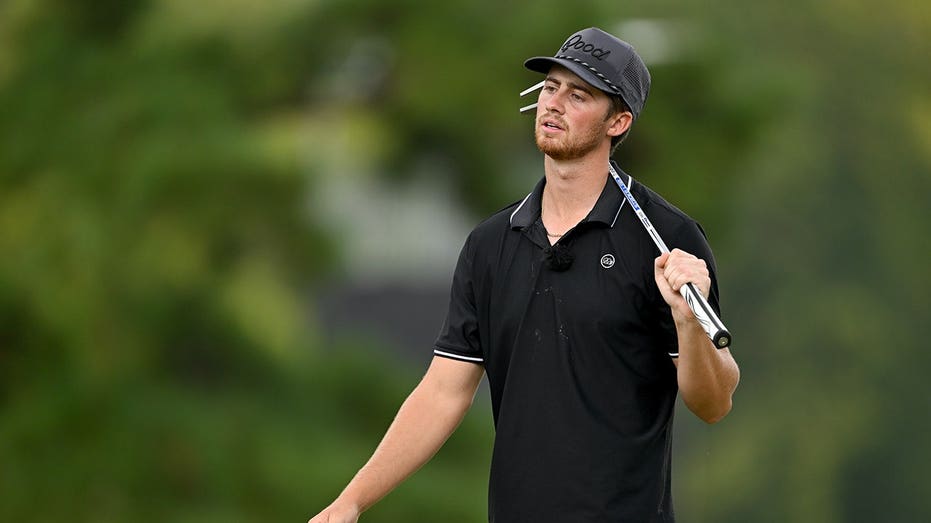
Good Good Golf faced widespread criticism after releasing an advert for a branded Callaway driver showing co-founder Garrett Clark pushing Alexis Miestowski to the ground. The video was removed and Good Good apologised, saying it did not reflect its values, while Callaway later acknowledged it had approved the advert; the episode has put partnerships, retail distribution and a planned PGA Tour event under pressure.
Major retailers including Dick’s Sporting Goods, Golf Galaxy and PGA Tour Superstore reportedly removed Good Good merchandise from shelves, while Golf Galaxy reportedly sought to withdraw its title sponsorship from a forthcoming Golf Channel programme. PGA Tour chief executive Brian Rolapp said the advert was not aligned with Tour values and described the response as initially late and defensive, adding that the future of the Good Good Championship in Austin remained a “fluid situation”.
- Controversial Good Good advert was removed after backlash.
- Callaway admitted it had approved the video.
- Retailers pulled merchandise and PGA Tour event faces uncertainty.
New here? Start with this
Good Good Golf is a golf media and lifestyle company built around online videos, social media and merchandise. It was founded by a group of creators including Garrett Clark, and has used its large young audience to form commercial partnerships with established golf brands such as Callaway.
The company’s planned Good Good Championship was intended to bring that creator-led brand into professional golf through a PGA Tour event in Austin. The PGA Tour runs leading men’s professional golf tournaments in the United States, while retailers such as Dick’s Sporting Goods and Golf Galaxy are important outlets for golf equipment and clothing.
The controversy centres on standards expected by sponsors, retailers and sports bodies when a company’s advertising features physical conduct between people. Their decisions can affect whether products remain on sale, whether sponsorships continue and whether a tournament linked to the brand can go ahead.
Both sides, in good faith
The strongest fair case each way — we don't pick a winner.
The case for
Critics argue that the advert normalised physical aggression towards a woman for humour and was especially inappropriate for a youth-facing sports brand. They contend that retailers, sponsors and the PGA Tour are entitled to protect their own standards and audiences, particularly if the initial response appeared insufficiently accountable. From this perspective, withdrawing support is a proportionate way to signal that commercial success does not excuse conduct that undermines respect and safety.
The case against
Others argue that the backlash has become disproportionate to a short, removed advert for which Good Good apologised and Callaway accepted approval responsibility. They may view pulling stock, threatening sponsorships and potentially cancelling an event as collective punishment that harms staff, athletes, fans and business partners beyond those responsible for the creative decision. From this perspective, firms should distinguish between condemning poor judgement and imposing lasting commercial penalties after a public apology and corrective action.