Prescribed sodium bicarbonate linked to lower dementia diagnosis risk in study
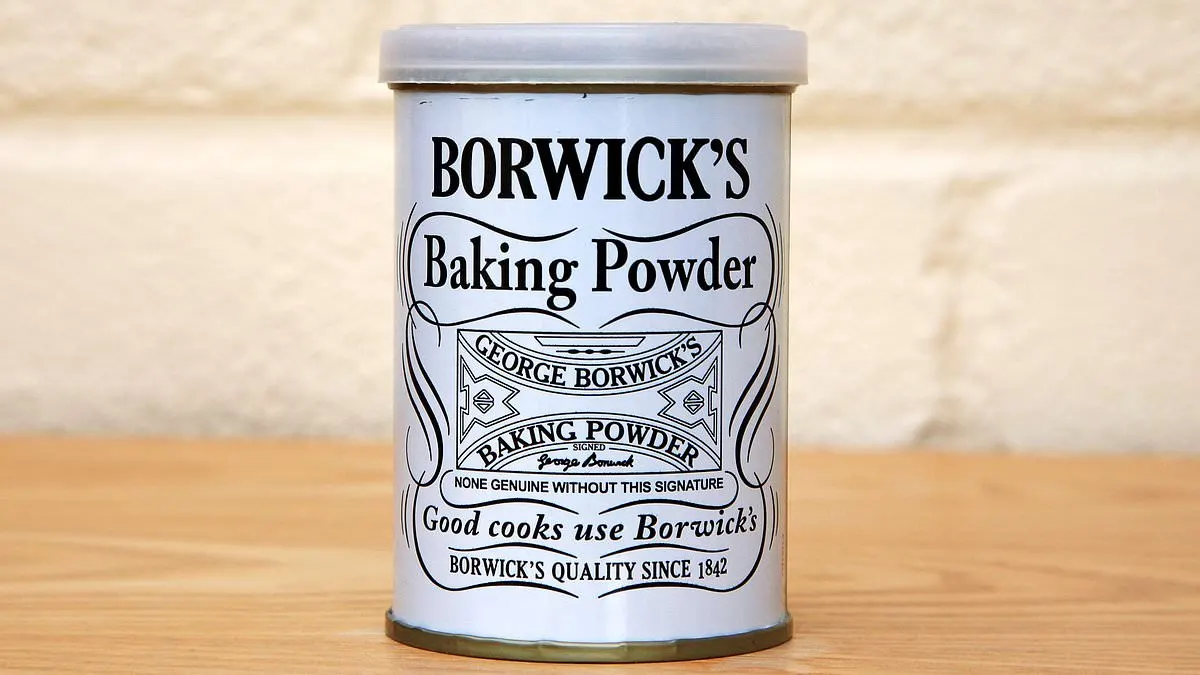
Researchers have suggested that sodium bicarbonate, commonly known as baking soda, may be linked to a lower chance of dementia in people with mild cognitive impairment. The finding matters because there is currently no NHS treatment that prevents dementia from developing, but the study does not show that baking soda prevents or treats the condition.
The University of Pennsylvania team examined health records for 122,000 people over 50 with mild cognitive impairment and found those prescribed sodium bicarbonate were 51 per cent less likely to be diagnosed with dementia. The researchers called for further study, and the Alzheimer’s Society warned people not to take baking soda for this purpose without evidence from robust clinical trials. Nearly one million people in Britain have dementia, a number projected to reach 1.4 million by 2040.
- A records study linked sodium bicarbonate to lower dementia diagnoses.
- The analysis covered 122,000 people with mild cognitive impairment.
- Researchers say clinical trials are needed; experts advise against self-treatment.
New here? Start with this
Dementia is a progressive condition affecting memory, thinking and daily functioning, with no cure currently available. Nearly one million people in Britain are living with dementia today, with numbers expected to reach 1.4 million by 2040 as the population ages.
Mild cognitive impairment is an intermediate stage where people notice memory problems but can still manage daily life, and it significantly increases the risk of developing dementia. Not everyone with mild cognitive impairment progresses to dementia, but finding ways to prevent or slow this progression could benefit millions of people.
Currently, there are no treatments available through the NHS that have been proven to prevent dementia in people with mild cognitive impairment. This is why researchers at universities and organisations such as the Alzheimer's Society are investigating various approaches to find potential preventive strategies. Finding an effective preventive treatment would represent a significant breakthrough.
Both sides, in good faith
The strongest fair case each way — we don't pick a winner.
The case for
The research presents a substantial signal from a large population dataset that baking soda may be protective against dementia progression, which matters enormously given the lack of any current preventative NHS treatment and the looming public health burden of nearly a million dementia cases in Britain. Since sodium bicarbonate is already safe and inexpensive, pursuing this lead rigorously seems both reasonable and necessary; many genuine medical breakthroughs have begun as unexpected observations in epidemiological data, and dismissing preliminary findings prematurely could mean losing a potentially valuable preventative option.
The case against
Observational studies demonstrating correlation cannot establish causation, and numerous confounding factors—such as dietary patterns, healthcare engagement, comorbidities, or underlying health characteristics—could explain why certain patient groups receive baking soda prescriptions and happen to have lower dementia diagnosis rates. The responsible approach is to await properly controlled clinical trials, as the researchers themselves have called for, rather than allow preliminary findings to influence clinical practice or public behaviour, which risks misdirecting patients from established preventative measures and fuelling false hope.
Read the full article at the source →
Originally published by Daily Mail as “Baking soda ‘could halve odds of getting dementia’”.