Balcony solar installations are now legal in America’s most populous state
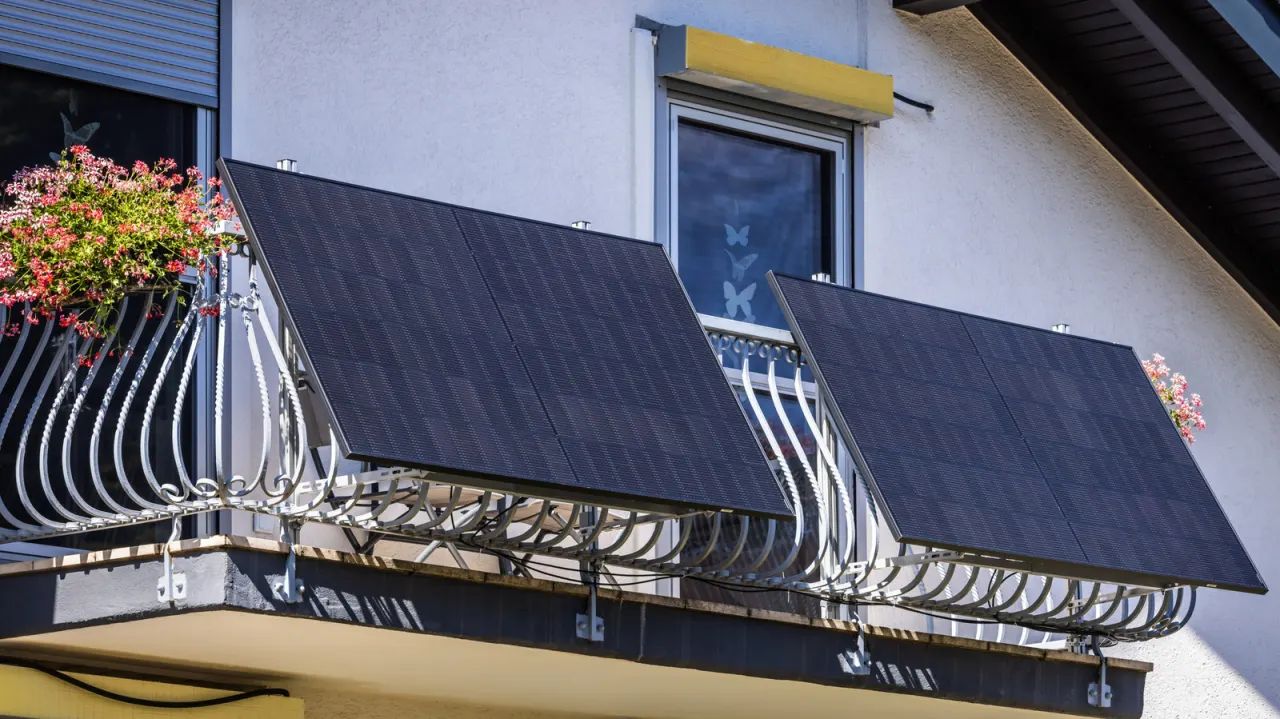
California has legalised plug-in solar systems for homes, joining nine other US states. The law aims to make small-scale solar more accessible and could help households reduce electricity bills, though it will not take effect until 1 January 2027.
Systems will be capped at 1,200 watts, far below typical rooftop installations, and must be certified by an independent safety organisation. The certification currently available requires a specialised plug and socket, which may mean an electrician is needed and limit use by renters; utilities opposed the law, citing safety and potential cost concerns.
- California permits plug-in solar from 2027.
- Systems are capped at 1,200 watts.
- Certification rules may make renter use harder.
New here? Start with this
California has become the tenth US state to allow homeowners to install small plug-in solar panels on balconies, patios and other spaces without major renovation. These systems generate electricity and feed it directly into a home's existing electrical outlet, offering a simpler alternative to traditional rooftop solar installations. The law takes effect on 1 January 2027.
The systems will be limited to 1,200 watts of power and must be certified by an independent safety organisation. The current certification standard requires a specialised electrical socket, which means most homeowners will need to hire an electrician for installation, potentially at considerable expense. This requirement could also exclude renters who lack permission from landlords to modify their homes' electrical systems.
Supporters of the law argue it will make renewable energy more accessible to households unable or unwilling to invest in rooftop solar, potentially allowing some to reduce their electricity bills. Utility companies opposed the legislation, raising concerns about safety and the costs of managing increased solar generation on the electrical grid.