Business news and discussion on TalkFuse.
Bank of England governor would have put off Farage meeting had £5m gift been under investigation
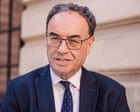
Bank of England governor Andrew Bailey said he would have considered postponing his September 2025 meeting with Nigel Farage if Farage’s £5m gift from crypto investor Christopher Harborne had been under investigation at the time. Bailey said he does not regret holding the meeting, which focused on cryptocurrency regulation, but described the later scrutiny over the donation as a material factor that could have affected the decision. The remarks matter because they raise further questions about political lobbying, transparency and how senior public officials engage with party leaders backed by major financial donors.
Bailey said the Bank only later learned facts that are now the subject of a parliamentary inquiry into the undisclosed gift, revealed by the Guardian in April 2026. Harborne, a Thailand-based billionaire estimated to be worth about £18bn, has provided roughly two-thirds of Reform UK’s funding and reportedly earns up to £1bn a year from his stake in Tether, a leading stablecoin issuer. Farage said he used the meeting to oppose a state-backed digital currency and to challenge proposed limits on individual stablecoin holdings; Bailey said the exchange was polite, denied being swayed, and defended the Bank’s eventual rule changes as practical rather than political.
In short
- Bailey says the Farage meeting might have been delayed
- The issue centres on a £5m crypto-linked donation
- Bailey denies the meeting changed Bank policy
Steelman: both sides, in good faith
The strongest fair case each way — we don't pick a winner.
The case for
A meeting between the Bank of England governor and the leader of a party substantially backed by a billionaire with major financial interests in cryptocurrency regulation creates a concerning appearance of improper influence that undermines public confidence in the regulator's independence. The fact that the governor himself said he would have reconsidered the meeting had Harborne's funding been publicly known at the time demonstrates that the donor's financial interests were materially relevant to how a senior official should have handled the engagement, and the lack of transparency prevented normal oversight mechanisms from functioning.
The case against
Central bankers must meet with elected politicians and party leaders as part of normal democratic engagement on policy matters, and Bailey could not have factored in information he did not possess at the time of the meeting. Farage's advocacy on behalf of his supporters' interests in cryptocurrency policy is a legitimate part of his role, the Bank's regulatory decisions should be judged on their practical merits rather than the meetings preceding them, and the robust system of public scrutiny and investigation that led to this story demonstrates that transparency operates effectively after the fact.
Explained simply
Nigel Farage, leader of Reform UK, received a £5m gift from billionaire cryptocurrency investor Christopher Harborne, which remained undisclosed until April 2026. In September 2025, Farage held a meeting with Andrew Bailey, governor of the Bank of England, to discuss cryptocurrency regulation. The donation and the meeting have raised questions about the relationship between major financial donations and discussions between party leaders and senior government officials on regulated matters.
Christopher Harborne is a Thailand-based billionaire estimated to be worth about £18bn, earning substantial income from his stake in Tether, a leading stablecoin platform. He has funded roughly two-thirds of Reform UK's campaign spending, making him the party's primary financial backer. His financial interests in cryptocurrency regulation are direct, particularly regarding how the UK regulates stablecoins.
The case matters because it raises questions about political funding transparency and how senior government officials should engage with party leaders backed by major donors whose interests are affected by regulatory decisions. A parliamentary inquiry is examining the undisclosed donation and the circumstances of the Bank of England meeting, addressing concerns about the intersection of political funding and regulatory matters.