Scotland loses nearly 50,000 television licence holders in a year
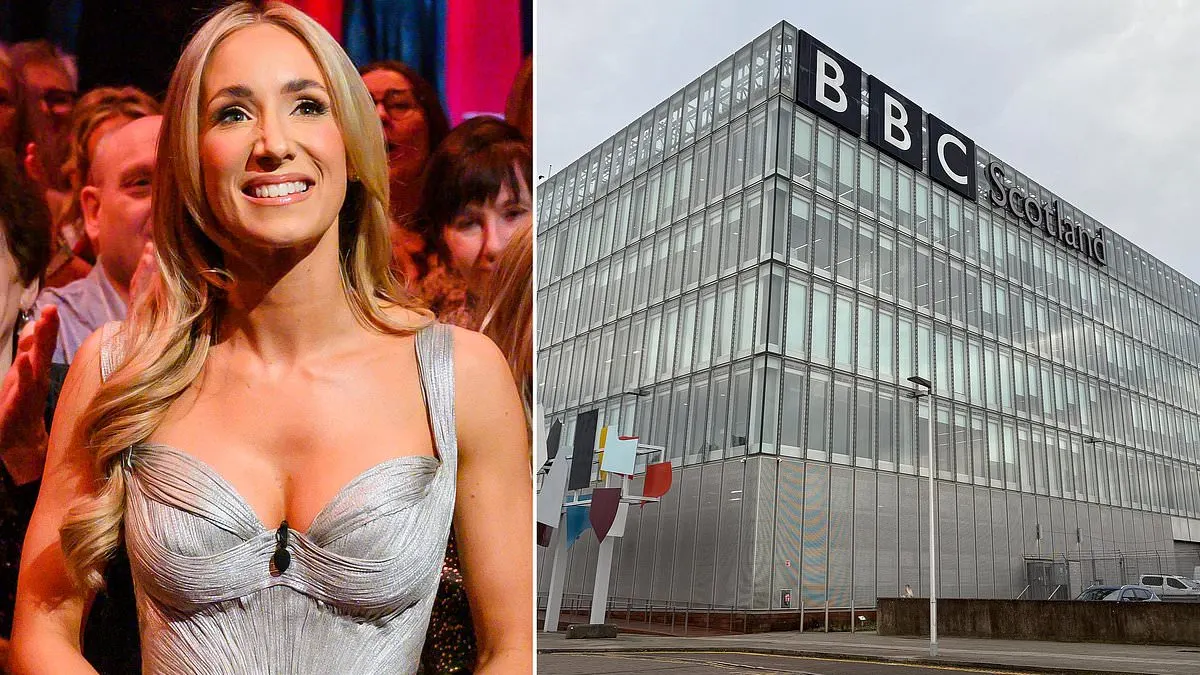
The number of BBC television licences in Scotland has fallen by nearly 50,000 over the past year, representing a 2.5 per cent decline in just twelve months. The figures underscore growing concerns about the sustainability of the licence-fee model in an era of streaming services and cost-of-living pressures, particularly in Scotland where critics say the corporation has failed to adequately reflect local interests and values.
Licence holders in Scotland decreased from 1,896,530 in 2024-25 to 1,848,190 in 2025-26, with the BBC initially refusing to disclose the data before being compelled through Freedom of Information appeals. The decline coincides with a £500million cost-cutting drive across the UK affecting up to 2,000 jobs, including 60 in Scotland, whilst the future of the BBC Scotland channel now faces scrutiny as a potential casualty of the financial pressures.
- Nearly 50,000 BBC licences in Scotland were lost in one year
- Streaming services and cost-of-living crisis blamed for licence decline
- BBC Scotland channel at risk as corporation cuts £500million
New here? Start with this
The BBC is funded through a television licence fee that all UK households must pay annually to watch live television or use BBC services. This system has supported the corporation's broadcasting for decades and generates the revenue needed for its programmes and operations.
The licence fee now faces significant challenges as more viewers switch to streaming services rather than watching traditional television, whilst cost-of-living pressures make the annual fee feel less affordable to many households. These trends have led to fewer people paying the licence fee in recent years, which means less revenue for the BBC and raises questions about whether this funding model can survive long-term.
In Scotland, the declining licence numbers have coincided with criticism that the BBC does not adequately represent Scottish interests, culture and perspectives. This has broadened the debate beyond just financial sustainability to questions about the BBC's relevance and accountability in Scotland specifically.
Both sides, in good faith
The strongest fair case each way — we don't pick a winner.
The case for
A 2.5 per cent annual decline in licence holders, whilst notable, represents a manageable adjustment for a system still serving nearly 1.8 million Scottish households and providing public service broadcasting that commercial rivals cannot replicate. The BBC's independence from advertising pressure and political control makes it valuable precisely when media fragmentation accelerates and misinformation spreads, and external pressures including streaming competition and cost-of-living crises affect all traditional media, not just public broadcasting. Rather than evidence of fundamental failure, these figures reflect societal challenges that make impartial public media more necessary, and sustainable institutions weather cyclical pressures through strategic adaptation.
The case against
A consistent 2.5 per cent year-on-year decline demonstrates that the licence fee model no longer matches how audiences actually consume media when streaming alternatives cost far less and offer comparable entertainment value. The BBC's simultaneous cost-cutting programme means licence holders are paying £159 annually for a diminishing service, with job losses and channel closures particularly acute in Scotland where many feel the corporation inadequately represents local interests. The initial refusal to disclose these figures suggests institutional defensiveness rather than confidence in the licence fee's case, and meaningful reform is necessary to create a sustainable model aligned with modern viewing habits rather than hoping cyclical improvement will resolve structural pressures.
Read the full article at the source →
Originally published by Daily Mail as “BBC switch-off grows as 50,000 Scots stop paying the licence fee”.