Before McDonald’s and Starbucks, Americans packed these once-beloved lunch counters
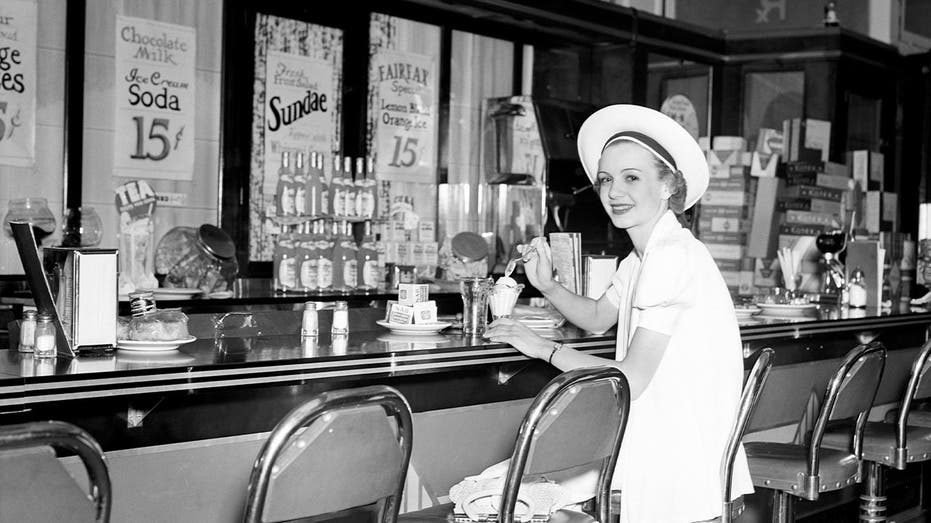
Long before McDonald's and Starbucks came to dominate American dining, "luncheonettes" offered generations of Americans an affordable, quick meal, typically served at a counter inside five-and-dime stores, drugstores and other retail outlets. Emerging in the late 19th century and booming through the 1910s and 1920s, chains such as Woolworth's, S.H. Kress and Walgreens became fixtures of daily life, and the format remained popular well into the mid-20th century. The lunch counters mattered beyond convenience: because they were associated with daytime respectability, they gave women and children a socially acceptable place to eat in public at a time when saloons and men's clubs excluded them, also providing working women with somewhere to have lunch during the day.
Historians cited in the piece, including the Smithsonian's Megan Elias and culinary historian Linda Pelaccio, note that luncheonettes thrived alongside urbanisation and the shift to paid employment, offering predictable, comforting food such as roast meats, soups and sandwiches, with Prohibition and the Second World War further boosting their role as social gathering spots. Their decline was driven by the same forces of change, however, as suburbanisation and car culture moved jobs and lunch breaks away from downtown counters, workers began bringing packed lunches, and Americans' tastes diversified beyond traditional fare. Academic Andrew P. Haley also points to shifting workforce roles, particularly more women working from the 1970s onwards, as a factor, while noting that modern nostalgia may be for an idealised version of luncheonettes rather than the real thing.
- Luncheonettes were cheap lunch counters popular from the 1910s to mid-1900s.
- Chains like Woolworth's gave women a respectable public dining space.
- Suburbanisation, car culture and changing diets led to their decline.