Before you buy a used GameCube, check for this common issue
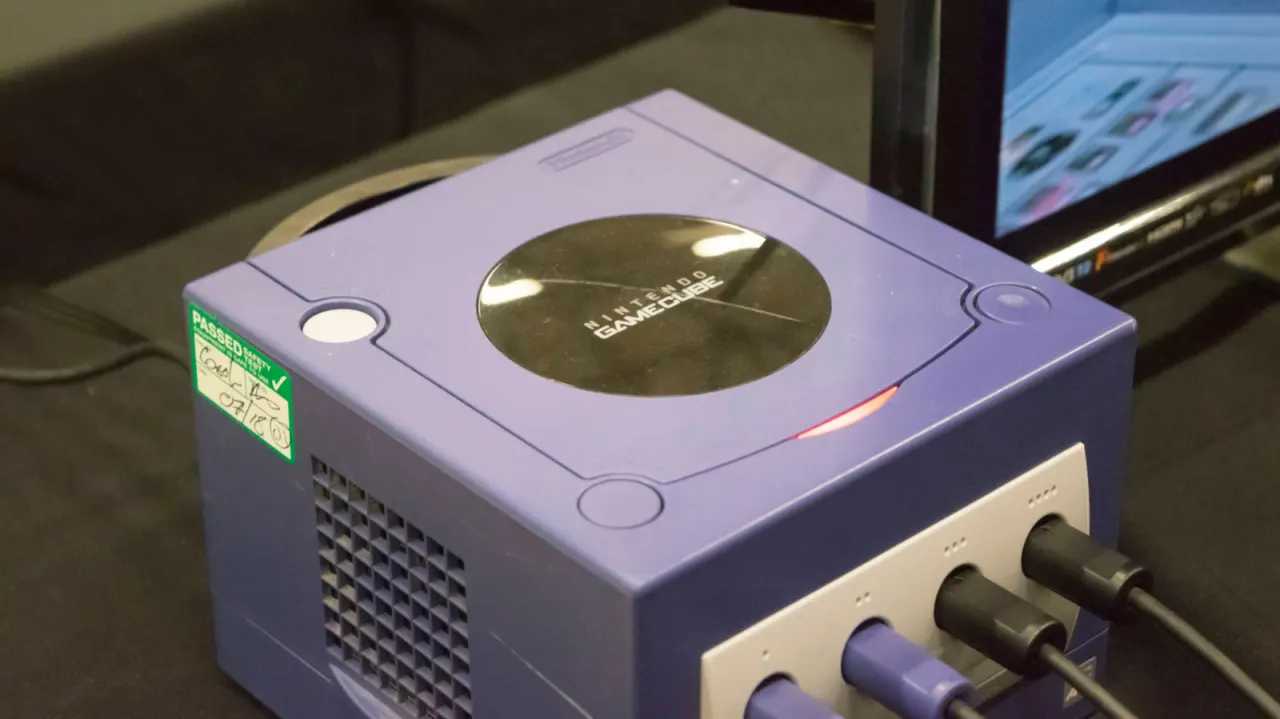
Buying a second-hand GameCube requires care because the console is region-locked: machines sold for North America, Japan and Europe/Oceania only play games made for their own market. This matters as importing a cheaper console or collecting foreign releases could leave buyers unable to use their games without a technically involved modification.
The article notes that GameCube hardware also faces normal age-related risks, including disc-reading failures and dying internal batteries, but highlights regional compatibility as the easily missed issue. North American systems use NTSC-U, Japanese ones NTSC-J and European/Oceanian versions PAL; buyers can check game packaging for cues such as ESRB ratings, PAL markings and differing “Only For” labels. Region locks historically reflected TV standards, staggered releases, ratings rules and regional pricing.
- Match a used GameCube’s region to your game collection.
- North American, Japanese and PAL games are incompatible without modification.
- Check packaging markings before buying imported hardware or games.
New here? Start with this
The GameCube is a Nintendo console released in different versions for different parts of the world. A console sold in North America, Japan or Europe and Oceania is designed to play games from its own region, so a game bought abroad may not work on it.
This can matter to people importing a cheaper console or looking for games released only in another country. Game boxes often show clues to their region, such as an ESRB rating on North American releases or a PAL marking on European ones. Older consoles can also develop faults, including problems reading discs or a failed internal battery.