Bernie Sanders demands Democrats ban super PACs from primaries, blasts AIPAC, ‘corrupt system’
Developing story first seen 4 hours ago
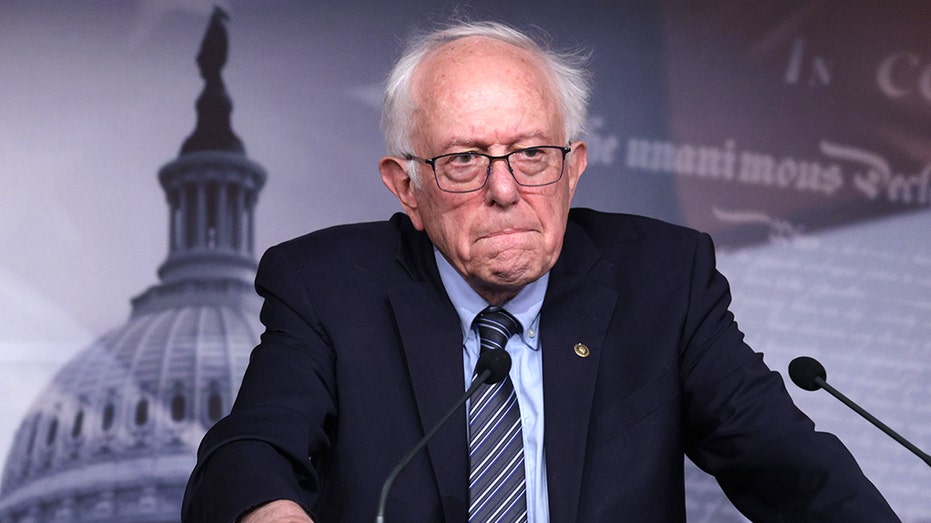
Senator Bernie Sanders has called on Democratic Party leaders to ban super PACs from involvement in party primaries, arguing that wealthy outside groups exert disproportionate influence over which candidates get elected. The independent Vermont senator, who caucuses with Democrats, framed the current system as corrupt and singled out the pro-Israel lobbying group AIPAC as an example of a well-funded organisation he believes distorts primary contests through heavy campaign spending.
Sanders' intervention reflects a longstanding progressive grievance about the role of money in Democratic primaries, echoing complaints from allies such as Alexandria Ocasio-Cortez about outside spending shaping electoral outcomes. The call comes as tensions within the Democratic Party over its direction continue to surface, with establishment and progressive wings clashing in several primary races this cycle.
- Sanders wants super PACs banned from Democratic Party primaries.
- He criticised AIPAC for its financial influence on races.
- Move highlights ongoing progressive-establishment tension within the Democratic Party.
New here? Start with this
Bernie Sanders, the independent US senator for Vermont who sits with the Democratic Party in Congress, has long argued that money plays too big a role in American politics. He is now pushing Democratic Party leaders to bar so-called super PACs, organisations that can raise and spend unlimited sums to support or oppose candidates, from getting involved in the party's primary elections, where Democrats choose their candidates before facing Republicans in the general election.
Super PACs are legally barred from coordinating directly with campaigns, but they can spend heavily on adverts and outreach to boost favoured candidates or attack rivals. AIPAC, a lobbying group that supports pro-Israel candidates and policies in the United States, is one such organisation, and Sanders has named it specifically as an example of outside money shaping who wins Democratic primary races.
The dispute touches on a wider divide inside the Democratic Party between its more progressive wing, which includes figures like Sanders and congresswoman Alexandria Ocasio-Cortez, and more centrist or establishment-aligned members. This matters because how candidates are selected can influence the party's overall direction and the kinds of policies its elected officials pursue.
Both sides, in good faith
The strongest fair case each way — we don't pick a winner.
The case for
Advocates of restricting super PAC involvement argue that primaries should be decided by grassroots voters and party members, not by whichever candidate can attract the largest outside spending. They contend that heavily funded groups such as AIPAC can tip closely contested races through late, overwhelming advertising blitzes that ordinary campaigns cannot match, effectively narrowing the field of viable candidates before voters have a real say. For those who share this view, curbing such spending is less about silencing any single organisation than about protecting the integrity of internal party democracy from being shaped disproportionately by wealth.
The case against
Those who defend the current system argue that political spending by advocacy groups, including AIPAC, is a legitimate form of free speech and association protected under long-standing First Amendment principles, and that voters remain free to reject any candidate regardless of who funds their opponents' ads. They caution that singling out one pro-Israel organisation risks being seen as targeting a specific viewpoint rather than addressing money in politics even-handedly, given that progressive-aligned outside groups and unions also spend heavily in primaries. From this perspective, banning such participation could set a precedent for restricting other advocacy voices and may be legally and practically difficult for a party to enforce fairly.
More coverage