Rokos wins approval for solar farm at his Wiltshire mansion
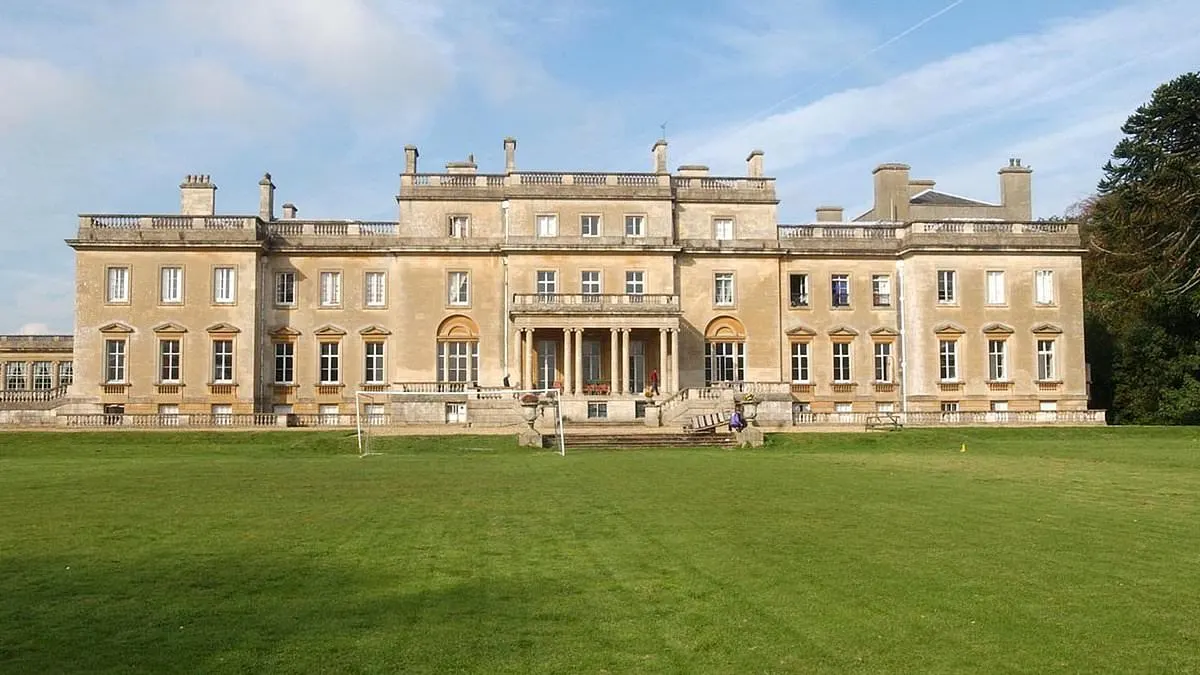
Chris Rokos has secured planning approval for a solar farm on the grounds of Tottenham House, his 100-bed mansion in Marlborough, Wiltshire. The decision allows a renewable energy project to proceed at the Grade I listed property, which is being restored, despite neighbours’ objections that it would harm the historic landscape.
The array will cover 40 acres of the 4,500-acre estate and is expected to generate about 794,600 kilowatt hours of electricity annually. Around 44 per cent will be used on site, with the rest exported to the local grid; woodland and new planting will screen the panels, which will sit on removable screw piles. Planners judged the energy benefits outweighed harm to the heritage setting, while other parts of the wider development still require environmental details to be approved.
- Chris Rokos won approval for a 40-acre solar farm.
- It is expected to generate 794,600 kilowatt hours a year.
- Neighbours objected over the impact on the historic setting.
New here? Start with this
Chris Rokos owns Tottenham House, a historic mansion with extensive grounds near Marlborough in Wiltshire. The property is Grade I listed, meaning it is officially protected as a building of historical importance, and is currently undergoing restoration as part of a wider development scheme.
As part of the development, Rokos has proposed building a solar farm on the estate to generate renewable electricity. The scheme has faced objections from local residents and heritage interests who argue that solar panels would damage the historic character and setting of the property and its surrounding landscape.
The proposed solar farm would occupy 40 acres of the 4,500-acre estate and generate substantial electricity annually. Most power would be used on site, with any surplus fed to the local grid, and the panels would be mounted on removable supports and screened by woodland and tree planting to minimise visual impact.
Both sides, in good faith
The strongest fair case each way — we don't pick a winner.
The case for
Solar energy is essential to meeting climate targets and grid resilience, and the proposal demonstrates careful planning—using removable infrastructure, screening, and generating substantial renewable energy from underutilised land. The footprint (40 acres on 4,500) is minimal, and expert planners concluded environmental benefits outweigh heritage concerns; refusing renewable projects at heritage sites would effectively prevent clean energy development where much of the best land already exists, so sustainable design that coexists with conservation is a responsible priority.
The case against
Grade I listed buildings and their settings are irreplaceable national assets, and the historic landscape character that justifies such protection cannot be fully restored once compromised. The visual impact of solar panels across 40 acres will fundamentally alter Tottenham House's historic context despite mitigation efforts, and privileging renewable energy over heritage conservation sets a precedent that may erode protections for other listed estates; truly sustainable development should not require sacrificing irreplaceable cultural heritage.
Read the full article at the source →
Originally published by Daily Mail as “Billionaire hedge fund manager wins fight with neighbours to build 40-acre solar farm to power his 100-bed stately home”.