‘Blonde’ at 10: The peroxide has run dry
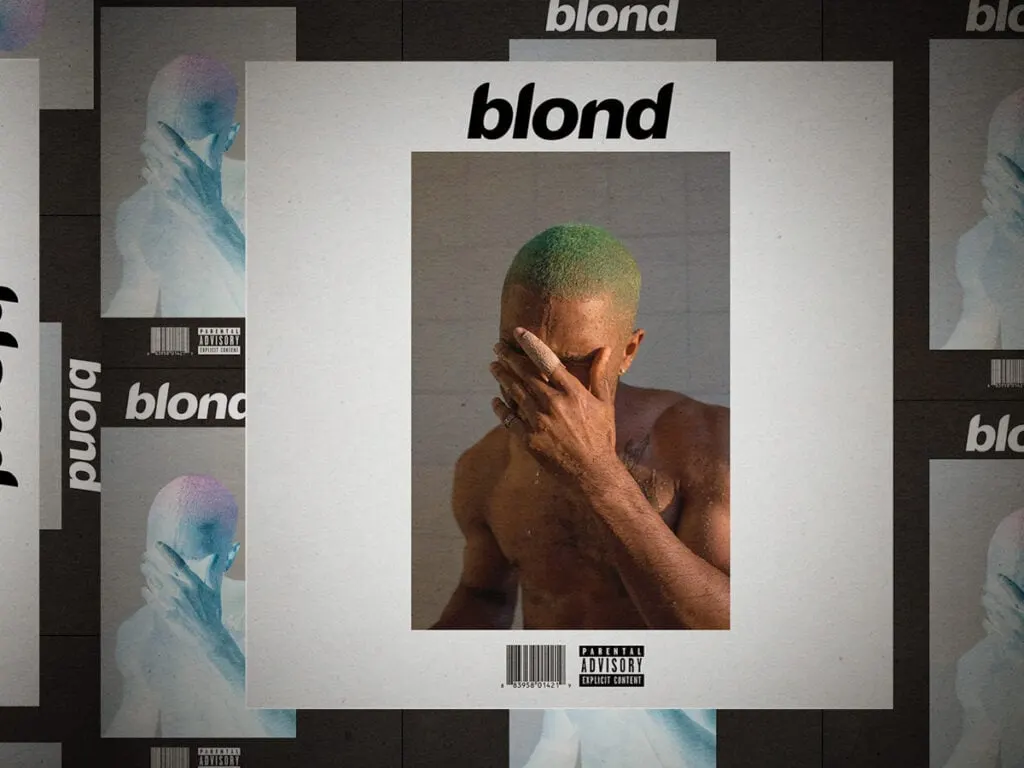
Frank Ocean's 2016 album 'Blonde' required three years of meticulous creation across prestigious studios including Electric Lady, Abbey Road, and Henson Recording. The record stands as his most comprehensive artistic statement and grows increasingly significant as a legacy document, representing both a snapshot of its era and an enduring artistic achievement.
However, the toll of producing 'Blonde' appears to have depleted Ocean's creative reserves. His recent live performances, notably an empty set at Coachella three years ago, indicate that the artistic momentum powering that album has not returned. Rather than building on that success, the intervening decade seems to have been consumed by recovery from the project's demanding emotional and creative labour.
- Frank Ocean's 2016 album 'Blonde' emerged after three years of intensive studio work across multiple legendary recording facilities and remains his most substantial work.
- A decade later, evidence suggests the album's creation exhausted Ocean creatively—recent live performances have been uninspired and no new material has emerged.
Both sides, in good faith
The strongest fair case each way — we don't pick a winner.
The case for
Admirers of 'Blonde' argue that Andrew Dominik set out to make a work of psychological expressionism rather than a conventional biopic, deliberately adapting Joyce Carol Oates' fictionalised novel to explore the trauma beneath the Marilyn Monroe myth. They point to Ana de Armas's committed performance and the film's formal daring – its shifting aspect ratios, dreamlike imagery and refusal of Hollywood gloss – as a serious artistic attempt to indict the industry and public that consumed and discarded her, rather than as an attack on Monroe herself.
The case against
Critics contend that the film's relentless focus on abuse, miscarriage and degradation amounts to exploitative spectacle rather than insight, subjecting a real woman's suffering to prolonged, voyeuristic scrutiny under the guise of art. They argue it strips Monroe of agency and interiority, inventing or distorting events from her life, and that dressing this up as a critique of the male gaze does not excuse a film that many felt indulged in the very objectification it claimed to condemn, earning its NC-17 rating for reasons some saw as gratuitous rather than necessary.