Border czar Tom Homan fires back after Democrat Chris Murphy claims ICE is ‘terrorizing little kids’
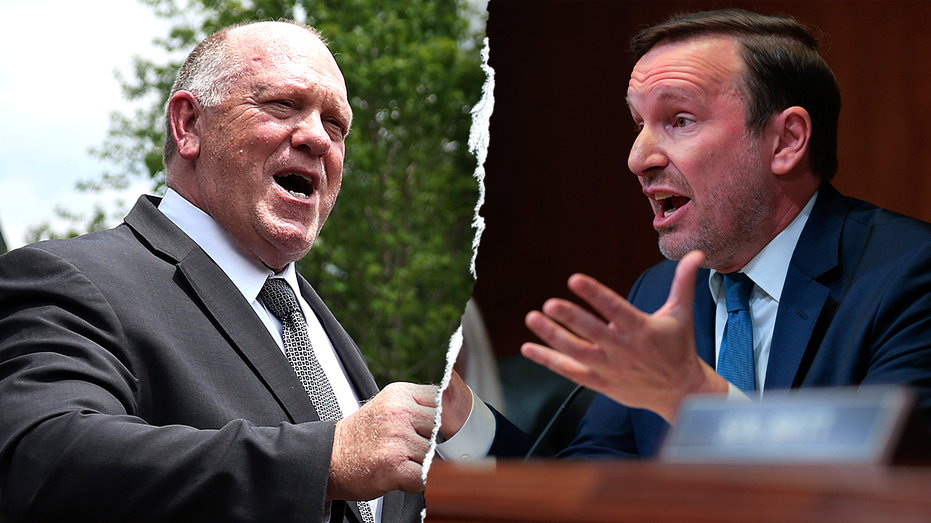
White House border czar Tom Homan pushed back on CNN's "State of the Union" against claims by Senator Chris Murphy that ICE was "terrorising" children by targeting parents at a school bus stop in Danbury, Connecticut. Murphy had accused the agency of lying about only pursuing criminals, saying agents were instead deliberately frightening young children, while Homan insisted ICE was simply enforcing laws passed by Congress and was not in the business of terrorising children. The row highlights the wider political dispute over the Trump administration's decision to scrap the Biden-era "sensitive locations" policy, which had previously discouraged enforcement near schools.
The Department of Homeland Security identified the man arrested in Danbury as Leonel Geovanny Morocho-Arteaga, 28, who it said had entered the country illegally and was found with a large kitchen knife during a targeted vehicle stop; he has since filed a habeas corpus petition. DHS dismissed Murphy's account as "fiction" and said officers were facing sharp rises in violence against them, citing a 1,300% increase in assaults, a 3,200% rise in vehicular attacks and an 8,000% surge in death threats. Danbury's mayor said around 50 people were detained in the area last week, with an advocacy group claiming four parents were taken while school buses were present, though DHS did not confirm these figures or identify the other individuals involved.
- Homan denies ICE targets children after Murphy's Danbury bus-stop claims
- DHS says arrested man had a knife, filed habeas corpus petition
- Danbury mayor reports ~50 detained; DHS cites rising attacks on officers
Both sides, in good faith
The strongest fair case each way — we don't pick a winner.
The case for
Supporters of the administration's approach argue that immigration law should be enforced consistently and without exceptions carved out for location, and that the case in Danbury involved an individual who had entered the country illegally and was found carrying a weapon during a targeted stop, not an operation aimed at children. They contend that scrapping the sensitive locations policy removes a loophole that let people evade lawful enforcement simply by staying near schools, and that agents are simply carrying out duties set by Congress rather than acting maliciously. They also point to steep rises in violence and threats against officers as justification for firm, visible enforcement, and argue that framing routine arrests of adults as terrorising children distorts what actually occurred.
The case against
Critics argue that conducting immigration enforcement near school bus stops inevitably exposes young children to frightening scenes, regardless of who is actually being targeted, and that this kind of psychological impact on children should weigh heavily against such tactics. They see the removal of protections for sensitive locations as abandoning a longstanding, largely bipartisan norm that treated schools and their surroundings as places where children ought to feel safe from enforcement activity. They would also note that local officials and advocacy groups reported dozens of detentions in the area and multiple parents taken while buses were present, suggesting the incident may not be as isolated as DHS's account of a single targeted stop implies. For them, public trust and the wellbeing of children in the community are put at risk when enforcement is carried out this way, whatever the legal justification.