‘Boris the Spider’: How one of the worst songs by The Who eventually became their best
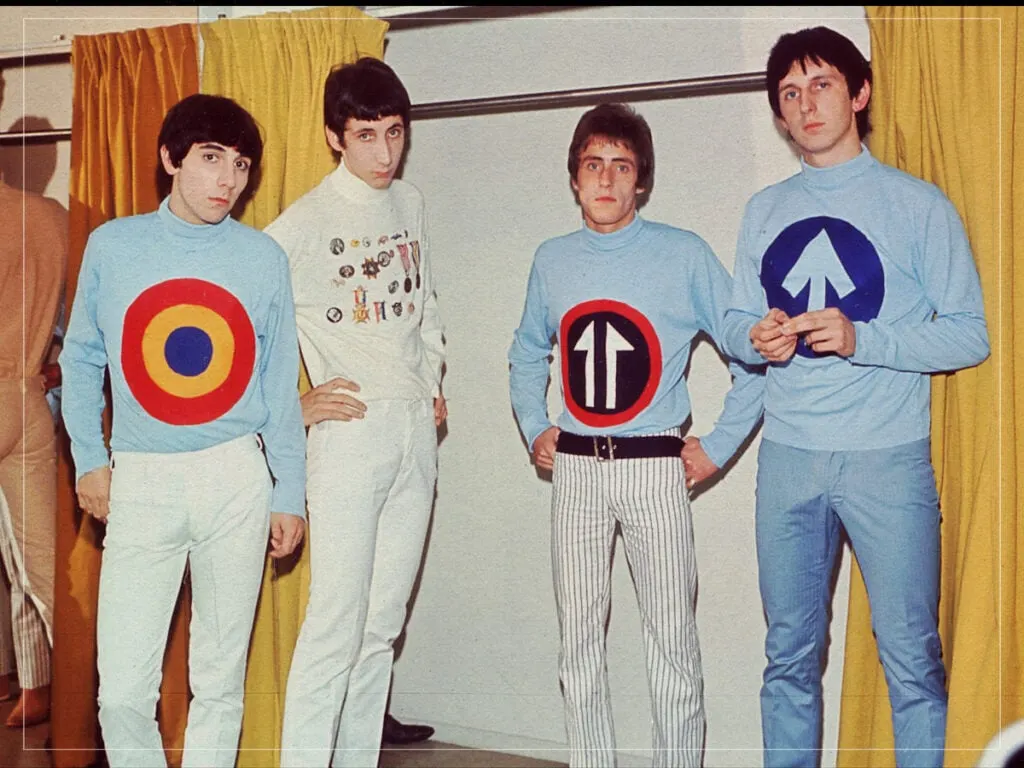
John Entwistle of The Who wrote "Boris the Spider" in 1966 for their second album A Quick One, completing the six-minute composition whilst drunk with Rolling Stones bassist Bill Wyman. Though initially conceived as a joke song—a darkly humorous reworking of "Incy Wincy Spider" where the spider meets a gruesome end—it unexpectedly became one of The Who's most celebrated tracks, with even Jimi Hendrix naming it as his favourite song by the band. The song's unlikely triumph matters because it demonstrates how seemingly silly creative impulses can yield lasting cultural impact and shows the value of not taking oneself too seriously.
The track earned Entwistle a £500 advance from the record label, which had incentivised all band members to write for the album. Rather than being matched for critical acclaim with The Who's more ambitious rock operas like Tommy and Quadrophenia, "Boris the Spider" instead offered rare levity and provided fans with something genuinely funny and memorable. The song's success reveals an enduring truth: audiences often connect more deeply with the unexpected, unpretentious moments rather than the grand artistic statements, and sometimes the silliest ideas prove to be the most beloved.
- The Who's silly spider song became their most beloved despite its absurd origin.
- Written drunk in minutes, it outshone far more serious work by the band.
- Jimi Hendrix named it as his favourite The Who song ever.
New here? Start with this
"Boris the Spider" is a song written by John Entwistle of The Who in 1966 for their second album A Quick One. The track is a darkly humorous reworking of the nursery rhyme "Incy Wincy Spider" in which the spider meets a gruesome end, and was originally conceived as a joke rather than a serious composition.
Despite its lighthearted origins, the song became one of The Who's most celebrated tracks and earned Entwistle a £500 advance from the record label. It gained further renown when Jimi Hendrix named it as his favourite song by the band, lending unexpected cultural weight to what had been conceived as a throwaway composition.
The song emerged from a band strategy in which members were incentivised to write material for the album. Its significance lies in the fact that a composition conceived informally and in jest became one of the group's most enduring and celebrated works.