Brazil’s wind farms have been a huge success. So why isn’t everybody reaping the benefits?
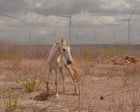
Brazil has established itself as the world's fifth-largest producer of onshore wind energy, with 35GW of capacity and ambitions to become the "Saudi Arabia of green energy". However, communities in the north-east, where nine in ten turbines are located, tell a different story: farmers like Antonio de Souza who signed contracts with French company Voltalia a decade ago have found themselves unable to farm their land, facing electrical hazards and restrictions on crops and livestock, whilst reaping none of the sector's economic benefits. Why this matters is that the wind sector's success is concentrated in an already disadvantaged region, yet has failed to trigger the wealth redistribution that could have transformed these communities' fortunes.
De Souza and others signed contracts promising monthly payments of 3,000 to 5,000 reais (£430–720) adjusted annually without crop damage, but infrastructure contracted for one hectare has rendered four hectares wasteland. The situation is compounded by a paradox: electricity generated in Serra do Mel is sold cheaply on the open market—mostly to Brazil's wealthier south-east and central-west regions at negotiated rates—whilst residents pay twice as much for their own power. A decade after the first turbines arrived, Serra do Mel's streets remain unpaved and families lack mains water. Now, with support from Brazil's public prosecutor's office and public defender's office, the farmers are pursuing a civil lawsuit filed in May 2025, seeking transparency on energy yields and proper compensation, rather than calling for the company to leave.
- Brazil's wind boom enriches distant consumers but impoverishes local farming communities
- Serra do Mel farmers face crop bans and electrical hazards despite promised income
- Electricity generated locally sold cheaply elsewhere; residents charged twice as much