British non-binary person found dead in Sicily as investigation continues
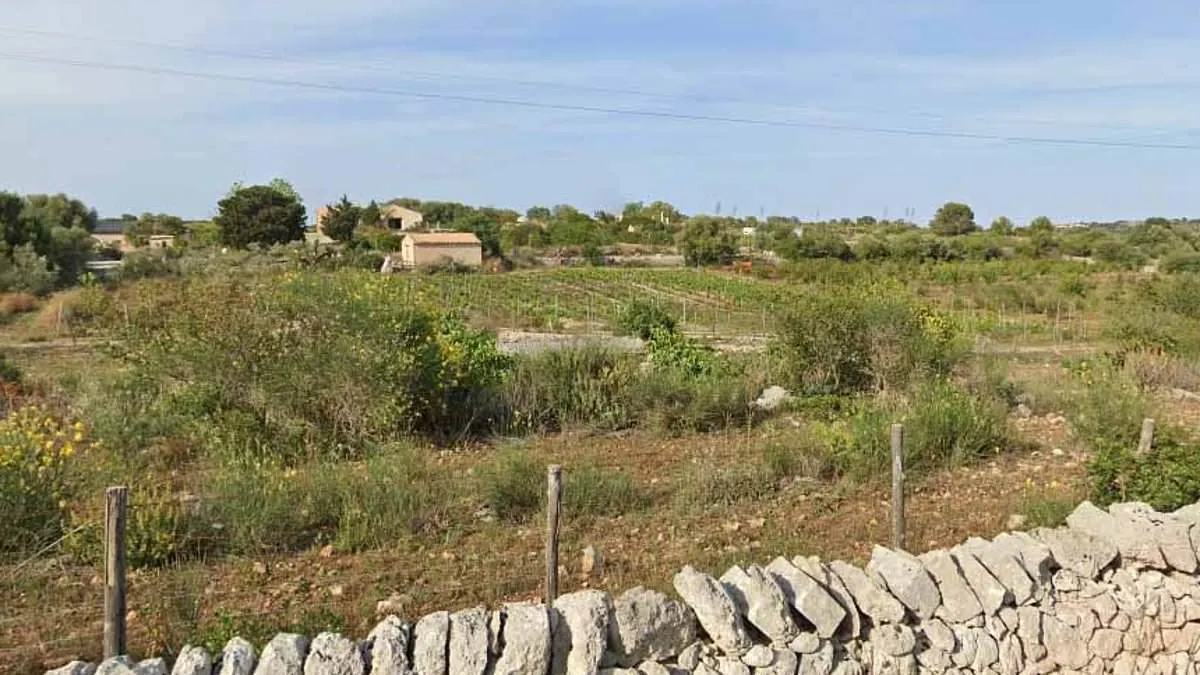
A 35-year-old British non-binary person, Benjamin Braithwaite, was found dead in Sicily in September with the cause of death still under investigation. The discovery has prompted scrutiny of the alternative community Braithwaite had recently joined, with a former member alleging the group engaged in dangerous drug use and sexual practices, though investigators remain open to multiple theories.
Braithwaite's body was discovered naked on 13 September near Noto with marks around the neck and a rope nearby. They had recently arrived to participate in an LGBTQ-focused pagan gathering organised by a group known as the Radical Faeries. A former member alleged the community subjected vulnerable newcomers to grooming and risky behaviours, though group organisers are not suggested to have been aware of such activities. A post-mortem examination has proved inconclusive; toxicology results are pending to establish the cause of death.
- British non-binary person found dead in Sicily; cause remains undetermined.
- Former member alleges alternative community engaged in risky drug and sexual activities.
- Post-mortem inconclusive; toxicology results pending.
New here? Start with this
A 35-year-old British non-binary person named Benjamin Braithwaite was found dead in Sicily in September 2026 in circumstances that remain unclear. The body was discovered near Noto naked, with marks around the neck and a rope nearby, and toxicology results are still pending to determine the cause of death.
Braithwaite had recently travelled to Sicily to join the Radical Faeries, an alternative spiritual community centred on LGBTQ pagan practices. Such communities attract people seeking spiritual experience and fellowship, often drawing individuals from across the world who travel to participate in gatherings and events.
The case raises questions about deaths within alternative communities and how to ensure the safety of vulnerable people who travel to join groups they may not know well. Deaths in unclear circumstances require thorough investigation to establish what happened and to address any safeguarding concerns.
Both sides, in good faith
The strongest fair case each way — we don't pick a winner.
The case for
Advocates for heightened scrutiny argue that alternative or closed communities can enable exploitation of vulnerable members, and when tragedy strikes, rigorous investigation of group practices becomes essential. Allegations that newcomers experienced pressure towards risky drug use and sexual practices without informed consent warrant serious examination of whether organisers fostered an enabling environment. Protecting the safety of marginalised individuals must take priority in such cases.
The case against
Those opposing premature judgement note that investigations remain inconclusive and making firm assessments based on unverified allegations risks unfairly stigmatising communities that provide vital support to marginalised individuals, including LGBTQ+ people facing discrimination elsewhere. Alternative spaces often represent precious refuge for vulnerable members of society. A fair investigation should follow evidence objectively rather than proceeding from assumptions that such communities inherently pose greater risk.
Americas Europe Health Medicine World
Read the full article at the source →
Originally published by Daily Mail as “Brit whose naked body was found in Italy had attended LGBTQ ‘pagan gathering’ where some members engage in ‘dangerous sex games and drug-taking’”.