Britain ‘set for bumper year’ for butterflies
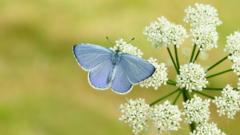
Butterfly Conservation, the charity behind the annual Big Butterfly Count, says a hot and dry spring could produce a "bumper" year for butterflies in the UK, with several species already showing signs of increase. The count, running from 17 July to 9 August 2026, asks members of the public to record the butterflies and moths they spot, helping experts track population trends after decades of decline linked to habitat loss and degradation.
Dr Dan Hoare of Butterfly Conservation said he had seen three or four species in southern England wandering beyond their usual range, describing the warm weather as an opportunity for butterflies to colonise new areas. Professor Helen Roy of the UK Centre for Ecology and Hydrology said the encouraging signs suggested other insects may also be thriving, crediting initiatives such as No Mow May, and urged people to let gardens grow "messy" and "diverse" to create habitat patchworks across the country.
- Hot, dry spring could bring a bumper butterfly year, charity says
- Big Butterfly Count runs 17 July to 9 August 2026
- Experts urge messy gardens to boost butterfly and insect habitats
New here? Start with this
Butterfly Conservation, a UK wildlife charity, runs the annual Big Butterfly Count, asking members of the public to spend time recording the butterflies and moths they see in gardens, parks and countryside. The data helps scientists track how populations are changing over time, against a backdrop of long-term decline in the UK linked to loss and degradation of natural habitats.
This year's count runs from 17 July to 9 August 2026. Experts say the hot, dry spring may have given several species a boost, with some butterflies already being spotted further north or in new areas than usual, though the final picture depends on what the public records over the coming weeks.
The findings matter beyond butterflies themselves, since these insects are often used as an indicator of the wider health of insect populations and ecosystems. Researchers have also pointed to public initiatives such as No Mow May, which encourages people to let parts of their gardens grow wild, as a way of creating more habitat for insects generally.