British banks in crosshairs as pressure mounts on Burnham to tax profits
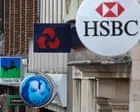
Chancellor John Healey is reportedly weighing a windfall tax on banks and oil companies for his late-October budget, the first under Prime Minister Andy Burnham, as he looks for ways to fund support for households facing rising energy bills. Britain's four biggest lenders – HSBC, NatWest, Barclays and Lloyds Banking Group – have made £200bn in pre-tax profits over the past five years, largely thanks to higher interest rates, drawing criticism from campaigners including the TUC and Positive Money, who argue the windfall should be taxed to help offset the cost of living.
Any UK levy would follow similar moves across Europe. Spain introduced a 4.8% "solidarity tax" on banks' domestic revenue in 2022, later extended to 2027 with rates of 1-7%, raising €1.3bn and €1.7bn in its first two years despite legal challenges and warnings from the ECB and IMF. Lithuania imposed a 60% tax in 2023 on banks' excess net interest income to fund infrastructure and defence spending, after lenders' profits were forecast to triple amid rising rates following Russia's invasion of Ukraine.
In short
- Chancellor Healey may impose windfall tax on banks and oil firms
- UK's top four banks made £200bn profit in five years
- Spain and Lithuania already levy similar bank windfall taxes
Steelman: both sides, in good faith
The strongest fair case each way — we don't pick a winner.
The case for
A temporary levy could recoup some gains banks made as higher interest rates widened their margins, helping fund support for households facing higher energy bills. Supporters may see this as a fair contribution from a sector whose recent profits were unusually strong, and point to other European countries that have raised revenue through similar taxes.
The case against
Banks and their critics may argue that taxing profits retrospectively or selectively creates uncertainty, could raise the cost of borrowing or reduce lending, and may ultimately affect households and businesses. Opponents may also say that higher profits reflect the wider effects of interest rates rather than a windfall the state should reclaim, and that energy support should be funded through broader, predictable taxation.
Explained simply
Banks make money partly by lending and charging interest, and rising interest rates can increase the gap between what they earn on loans and pay to savers. HSBC, NatWest, Barclays and Lloyds are Britain’s four biggest lenders; together, they have made £200bn in pre-tax profits over five years.
The Treasury is the government department that manages public finances, and the chancellor sets out tax and spending plans in the budget. A windfall tax is a levy on profits or income judged to be unusually high; campaigners including the TUC and Positive Money say taxing bank profits could help pay for support with household energy bills.
Other European countries have introduced levies on banks, though their designs and purposes differ. Spain and Lithuania have used such taxes to raise revenue, while the measures have also faced legal challenges and warnings from international institutions.
Business Government Markets Politics Software Technology UK World