Experts warn UK lacks plans to feed its population in a crisis
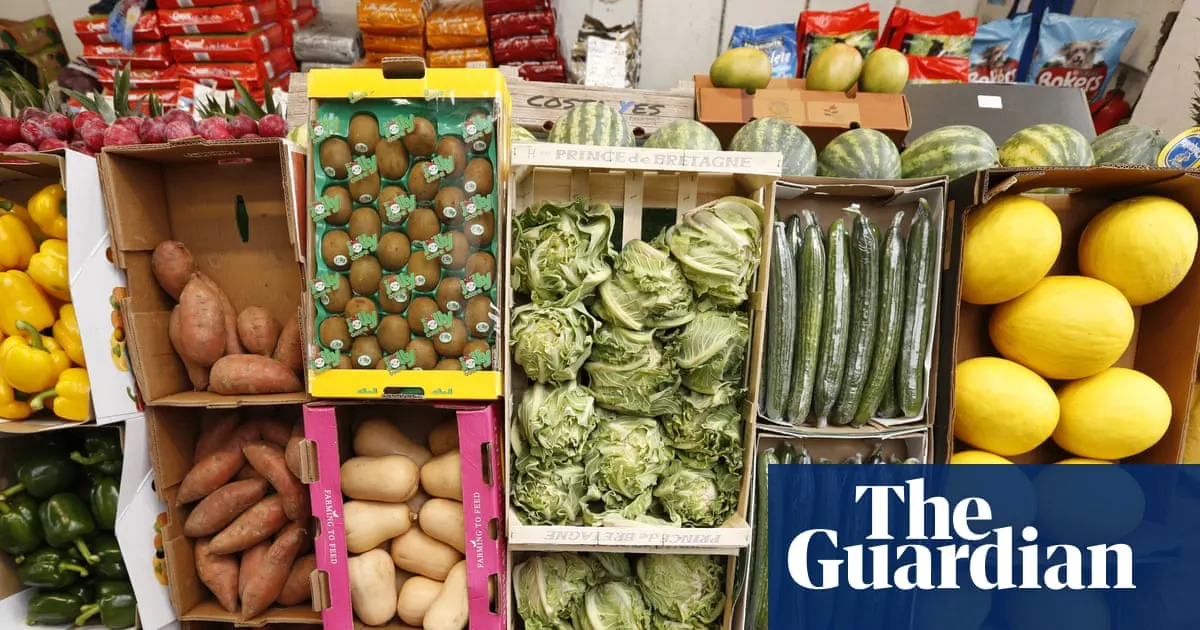
More than 150 experts have written an open letter warning the British government that the country lacks adequate plans for feeding its population during a crisis and is unprepared for future food shortages. They argue that the government is dangerously complacent about food security as a national issue, despite mounting threats from climate change, geopolitical tensions, cyber-attacks and power outages. The experts, including academics, business leaders and community organisations, are urging ministers to overhaul the nation's food system to make it more resilient.
The UK's food supply chain relies on outdated "just-in-time" delivery systems with minimal stockpiles and no national food storage, leaving the country vulnerable to disruption. The government dismantled its strategic food reserve in the 1990s, and the nation is heavily dependent on imports compared to neighbouring European countries. The signatories are calling for the establishment of local food resilience committees, audits of large food companies, increased domestic production, and new storage schemes at national, regional and community levels. Meanwhile, the Environment Secretary has recommended households stockpile tinned food and water, though critics note that lower-income families may struggle to afford such precautions.
- Over 150 experts warn government has no plan to feed people in crisis
- UK's just-in-time system with no national stockpile leaves nation exposed to disruption
- Experts call for local resilience committees and increased domestic food production
New here? Start with this
The UK food system currently depends heavily on imports and uses delivery systems where food arrives regularly in small quantities rather than being held in large reserves. The government abolished its strategic food reserve in the 1990s, so the country has minimal emergency stockpiles should supply routes be disrupted.
Multiple threats could interrupt food supplies, including climate change damaging global harvests, geopolitical conflicts blocking trade routes, cyber-attacks on infrastructure, or widespread power outages. Without adequate preparation, experts warn that households could face serious food shortages during such emergencies.
To address these risks, experts are calling for the creation of national and local food reserves, increased domestic food production, and community-level food planning committees. Such measures are intended to protect citizens and ensure people have access to food when supply chains fail.
Both sides, in good faith
The strongest fair case each way — we don't pick a winner.
The case for
The experts present a sobering case grounded in documented structural vulnerabilities: the UK dismantled its strategic reserve in the 1990s and now depends on just-in-time delivery with minimal domestic production, leaving the country perilously exposed to climate shocks, geopolitical disruption, and cyber-attacks that grow more probable each year. Asking lower-income households to self-stockpile is not only inequitable but an abdication of government responsibility; genuine food security requires comprehensive systemic reform—national reserves, local resilience infrastructure, and diversified supply chains—to protect all citizens fairly.
The case against
The current food system, despite theoretical vulnerabilities, has delivered decades of efficient, affordable nutrition to British households, including those on limited incomes, through the very just-in-time logistics that critics target. The probability of catastrophic supply collapse may be sufficiently low that the enormous costs, disruption and waste inherent in building strategic reserves and restructuring food networks cannot be justified; market mechanisms and supply chain flexibility have proven more resilient in practice than pessimistic scenarios suggest, and well-intentioned government intervention might create new problems whilst solving speculative ones.
Business Culture Food Government Politics UK World
Read the full article at the source →
Originally published by The Guardian as “British government ‘complacent about food as a national security matter’”.