Brother of British Sikh activist freed on bail after nine years inside hellish Indian prison accuses the British Government of ‘putting trade over human rights’ and says it ‘has had a hand in this’ if he is sentenced to death
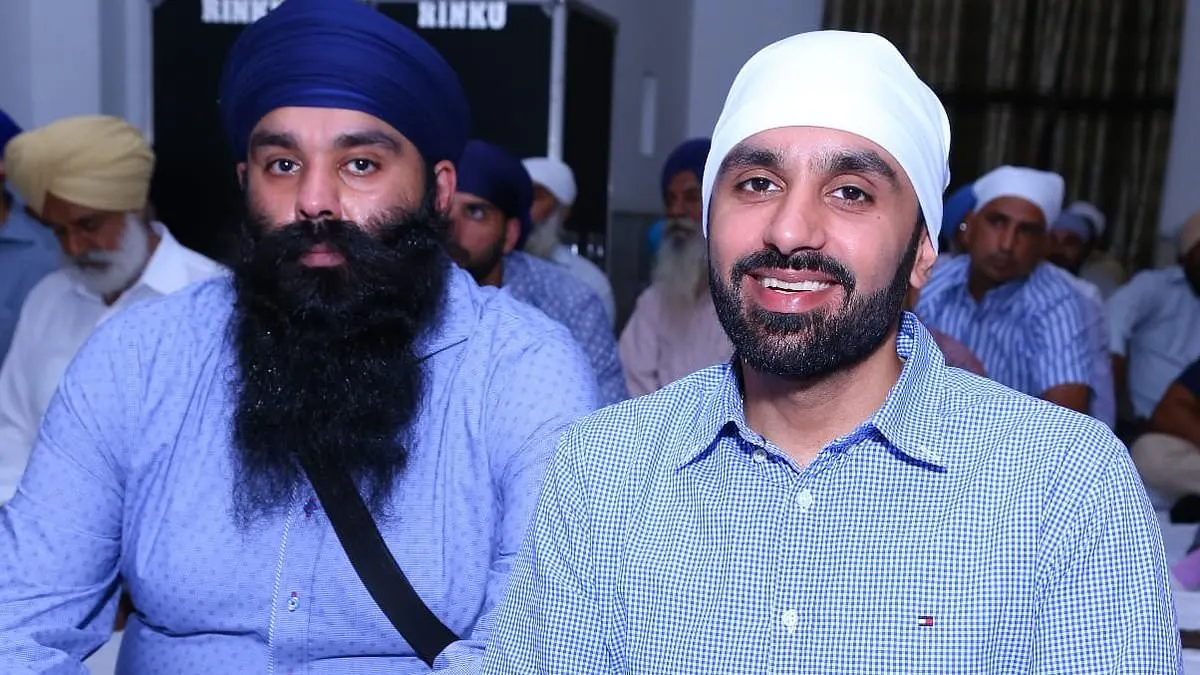
Jagtar Singh Johal, a British Sikh activist held in India since 2017, has been released on bail after nearly nine years in prison. His brother says the UK Government failed to protect him and put trade and diplomatic relations ahead of human rights; Johal could still face the death penalty if convicted.
Indian prosecutors accuse Johal of terrorism-related offences, including links to the Khalistan Liberation Force and conspiracy to murder. Johal and his family deny the allegations, and he says confessions were obtained through torture; he has been cleared of similar charges in a Punjab court but faces eight charges in a federal court.
- Jagtar Singh Johal has been freed on bail after nearly nine years in Indian custody.
- He still faces eight federal terrorism charges and could face the death penalty if convicted.
- His brother accuses the UK Government of putting trade ahead of human rights.
New here? Start with this
Jagtar Singh Johal is a British Sikh activist who was arrested in India in 2017 on terrorism-related charges. He has remained detained for nearly nine years whilst his legal cases have proceeded through Indian courts, becoming a subject of international concern regarding his treatment and welfare.
Indian authorities have accused Johal of offences including alleged links to the Khalistan Liberation Force and conspiracy to murder. Johal and his family deny these allegations, claiming that confessions attributed to him were obtained through torture; he has already been cleared of related charges in one Punjab court but continues to face serious charges in a federal court.
His case has raised broader questions about human rights protections and the balance between trade relations and diplomatic advocacy. Family members and activists have called on the British Government to intervene more forcefully on his behalf, particularly given the potential for capital punishment if he is convicted in the remaining proceedings against him.
Both sides, in good faith
The strongest fair case each way — we don't pick a winner.
The case for
The British Government should have been far more vocal and forceful in advocating for Jagtar Singh Johal's rights, particularly given allegations of torture and the risk of execution. If the UK genuinely champions human rights globally, selectively muting criticism to protect trade interests represents a profound betrayal of its stated values and of its duty to protect citizens. A more vigorous public and private campaign could have applied meaningful pressure for fair treatment without substantially damaging bilateral relations.
The case against
Effective foreign policy requires balancing multiple legitimate interests, including diplomatic relationships and the practical leverage that comes from measured engagement rather than public confrontation. Overly aggressive criticism of India's judicial system risks being counterproductive by hardening positions and undermining private negotiations. The UK can and should raise human rights concerns through appropriate diplomatic channels whilst respecting Indian sovereignty. Trade relationships also benefit British citizens, and pragmatic government must weigh these considerations alongside humanitarian concerns.