Bryan Kohberger seeks judge’s removal in escalating bid to undo guilty plea
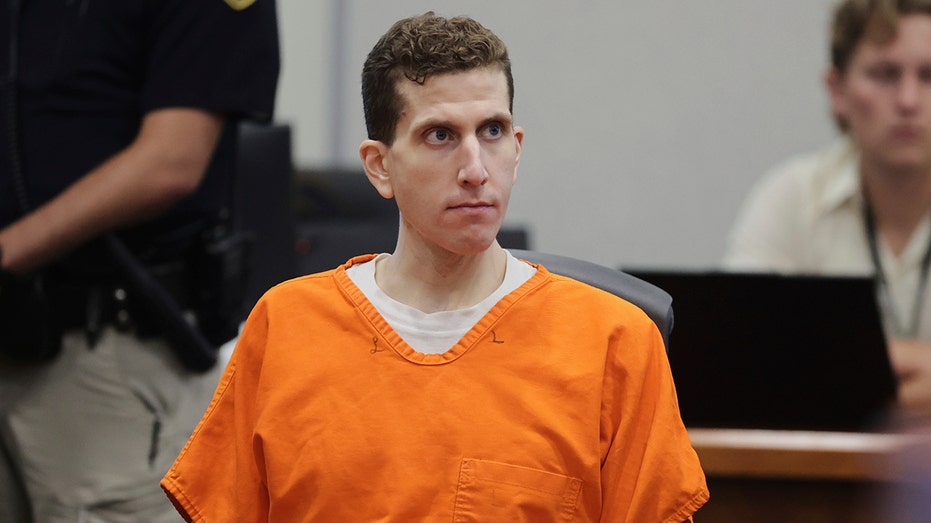
Bryan Kohberger, convicted of murdering four University of Idaho students, has asked for the judge in his case to be removed and for proceedings to be moved elsewhere. The requests are part of an effort to withdraw his guilty plea, after he began claiming innocence and alleging that his former defence team led him to make a false confession.
Kohberger’s new court-appointed lawyer, Gregory Rauch, filed both motions on Thursday. Kohberger was convicted of four counts of first-degree murder for the fatal stabbings of the students, and was sentenced in July 2025; the article says the case is still developing.
- Kohberger seeks to remove the judge and change venue.
- He is attempting to withdraw his guilty plea.
- He now claims innocence and faults his former defence team.
New here? Start with this
The case concerns the killings of four University of Idaho students in November 2022. The students were found stabbed to death at a rented house near the university campus in Moscow, Idaho, and the deaths drew widespread attention across the United States.
Bryan Kohberger, a former criminology graduate student, was arrested weeks later in Pennsylvania and charged with their murders. Prosecutors said evidence including DNA, phone records and surveillance footage linked him to the crime; Kohberger initially denied the charges.
In 2025, Kohberger pleaded guilty to four counts of first-degree murder and received four life sentences without parole. He has since sought to challenge that plea, arguing through new lawyers that it was not made freely or on a sound basis.
Both sides, in good faith
The strongest fair case each way — we don't pick a winner.
The case for
A defendant should have a meaningful opportunity to challenge a guilty plea if there is credible reason to think it was not entered knowingly, voluntarily and with effective legal advice. Seeking a different judge or venue can be a legitimate safeguard where the defendant believes prior proceedings, intense publicity or the court’s familiarity with the case could affect confidence in an impartial review. The underlying value is that even a person convicted of grave crimes retains due-process rights, and the justice system is strongest when such claims are examined fairly.
The case against
A guilty plea normally follows formal warnings and admissions in court, and overturning one requires more than a later assertion of innocence or dissatisfaction with former lawyers. Removing a judge or relocating proceedings without concrete evidence of bias risks delaying finality, consuming public resources and causing further distress to victims’ families. The underlying value is that courts should protect defendants’ rights while also giving proper weight to reliable judicial processes and the need for concluded cases to remain settled.