BT faces criticism over broadband pauses to prompt digital landline switch
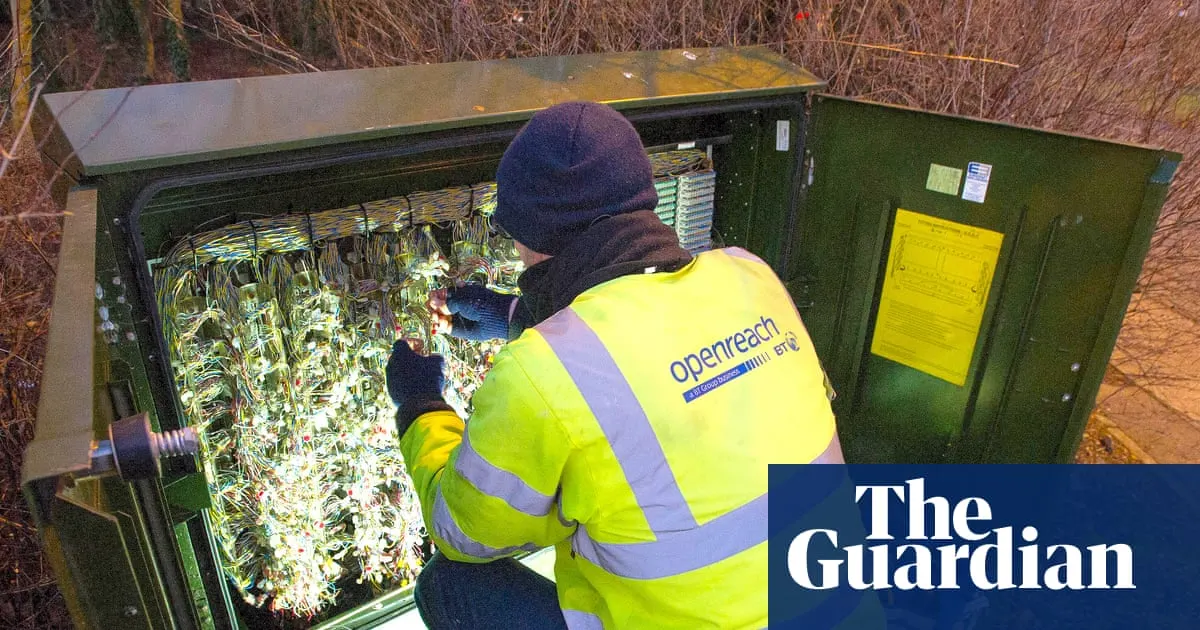
BT has been accused by campaigners of pressuring customers to move to digital landlines by temporarily pausing their broadband. The dispute highlights concerns about how providers will complete the UK’s switch from copper telephone lines before the old network is retired at the end of January, particularly for customers who may be vulnerable or hard to reach.
Telecoms companies have migrated 16–17 million lines, but about 1.3 million copper landlines remain. BT says it paused broadband for a small group who had ignored communications for two years, giving them five days’ notice; landlines and mobile services stayed available, and more than 80% of those customers then acted. Campaigners warn that some remaining users may have limited internet or mobile coverage, while around two million people use telecare alarms traditionally connected through landlines.
- BT paused broadband for a small group over the digital landline switch.
- About 1.3 million copper landlines still need to migrate.
- Campaigners say vulnerable customers could be at risk of being missed.
New here? Start with this
The UK is switching all telephone services from old copper cables to newer digital technology. Telephone companies must complete this transition before the copper network is switched off at the end of January, when the old infrastructure will be retired.
About 1.3 million copper telephone lines have not yet been switched to the new system, and BT has temporarily paused broadband for some customers to encourage them to make the change. The company says it only did this for customers who had ignored repeated communications over two years, and gave them five days' notice whilst keeping their landline and mobile services active.
The move has sparked concern because some remaining customers may have poor internet or mobile coverage and could struggle to complete the switch independently. In addition, roughly two million people depend on telecare alarms that traditionally connect through landlines, raising questions about how this transition will affect them.
Both sides, in good faith
The strongest fair case each way — we don't pick a winner.
The case for
The UK must complete its transition from copper to digital infrastructure before the network is retired, and with 1.3 million lines still outstanding after years of communication efforts, targeted intervention is necessary. BT's approach affected only a small subset of customers who had demonstrably ignored two years of notices, provided five days' warning, maintained landline and mobile access, and achieved over 80% uptake—demonstrating both proportionality and effectiveness without causing actual service deprivation.
The case against
Broadband pauses, however temporary, constitute coercive pressure that disproportionately affects vulnerable populations who may lack digital literacy, alternative connectivity, or ability to act quickly. Around two million people depend on copper landlines for telecare alarms, and some customers in areas with poor mobile or internet coverage cannot reasonably migrate without genuine hardship—making aggressive tactics inappropriate regardless of the infrastructure necessity.
Read the full article at the source →
Originally published by The Guardian as “BT accused of ‘bullying’ customers by pausing broadband in digital landline push”.