Burnham calls it ‘reform’, but it’s really the abolition of proper British elections: PETER HITCHENS
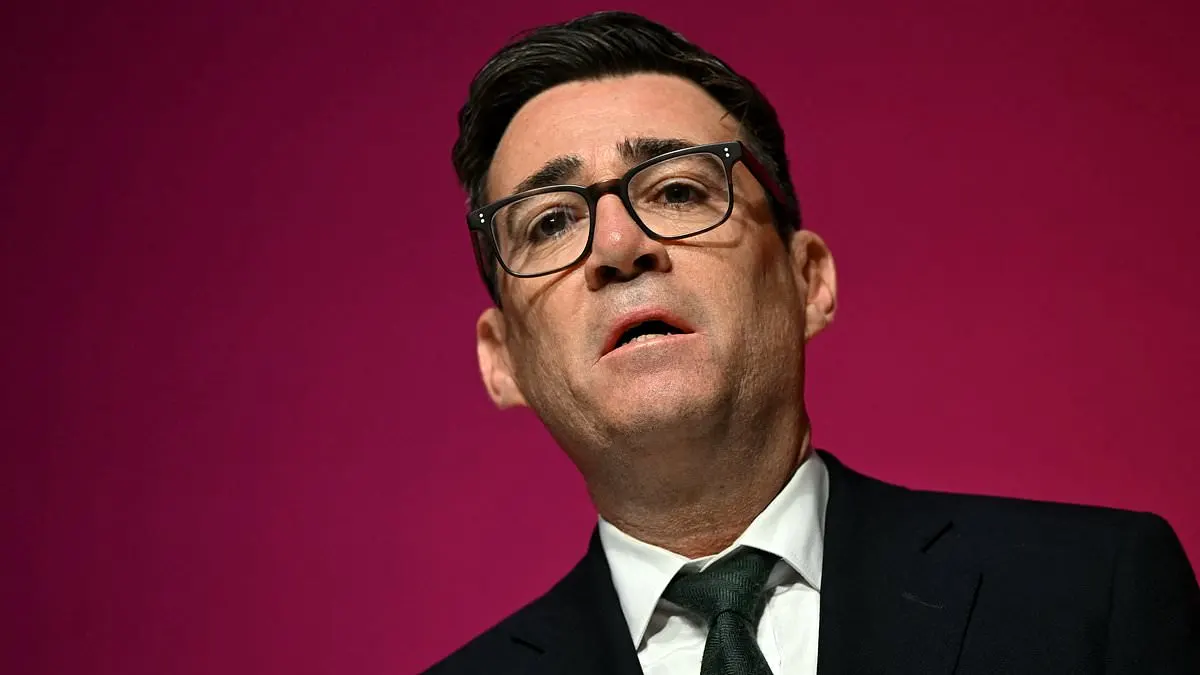
Peter Hitchens has criticised Labour's Andrew Burnham for proposing proportional representation, arguing this amounts to "the abolition of proper British elections". Hitchens contends that PR would fundamentally change British democracy by removing voters' ability to decisively unseat governments and would eliminate a strong parliamentary opposition that scrutinises governments.
Hitchens argues the current two-party system acts as a critical check on power, allowing voters to "sack the Government" when dissatisfied. He suggests Burnham is backing electoral reform because Labour fears the electoral challenge from Reform UK. Under PR, Hitchens warns, months of coalition negotiations would likely leave the same political elite in power, creating what he calls "a conspiracy of the elite against the people" with minimal parliamentary opposition.
- Hitchens argues proportional representation removes voters' power to unseat governments
- He warns PR creates endless coalitions keeping the same elites in power
- Labour backs reform because it fears Reform UK's growing electoral threat
New here? Start with this
Britain currently elects MPs through "first past the post", where each constituency elects one representative and the party winning the most seats nationwide forms the government. Proportional representation is an alternative system used in many other democracies, where parliamentary seats are allocated based on the overall share of votes each party receives nationally.
Andrew Burnham, Labour's mayor of Greater Manchester, has recently proposed switching to proportional representation. The proposal has sparked debate about whether Britain's electoral system should fundamentally change and how different voting methods would affect the balance of power in parliament.
Supporters of proportional representation argue it would make parliament more representative by ensuring seat distribution more closely matches vote share. Critics contend the current system provides important safeguards, such as enabling voters to decisively remove governments from power and generally producing single-party majorities that can govern without lengthy coalition negotiations.
Both sides, in good faith
The strongest fair case each way — we don't pick a winner.
The case for
Proportional representation delivers principled democratic representation where each voter's voice carries equal weight, eliminating the millions of discarded votes that FPTP produces when parties win substantial support yet gain few seats. Advocates note that coalition governments, whilst requiring negotiation, generate broader parliamentary consensus, more inclusive policy-making, and typically create stronger scrutiny since governments lack automatic majorities. Established democracies including Germany and the Netherlands demonstrate PR can function stably and effectively, potentially strengthening democracy through consensus-building rather than winner-take-all governance that can sideline substantial portions of the electorate.
The case against
Opponents argue the current system provides clear democratic accountability where voters can decisively unseat governments based on performance, creating strong mandates with unambiguous responsibility to the people. They contend PR fragments parliament and hands disproportionate power to small parties whose influence vastly exceeds their vote share, effectively removing voters from government formation through post-election coalition negotiations rather than electoral verdicts. Critics maintain FPTP sustains robust single-party opposition scrutiny and meaningful constituency-MP relationships, arguing it delivers clearer democratic control since elections immediately determine which party governs, rather than requiring post-election negotiation among politicians.