Burnham pledges more cost of living support as chancellor says public being ‘taken for a ride’ on food and petrol prices
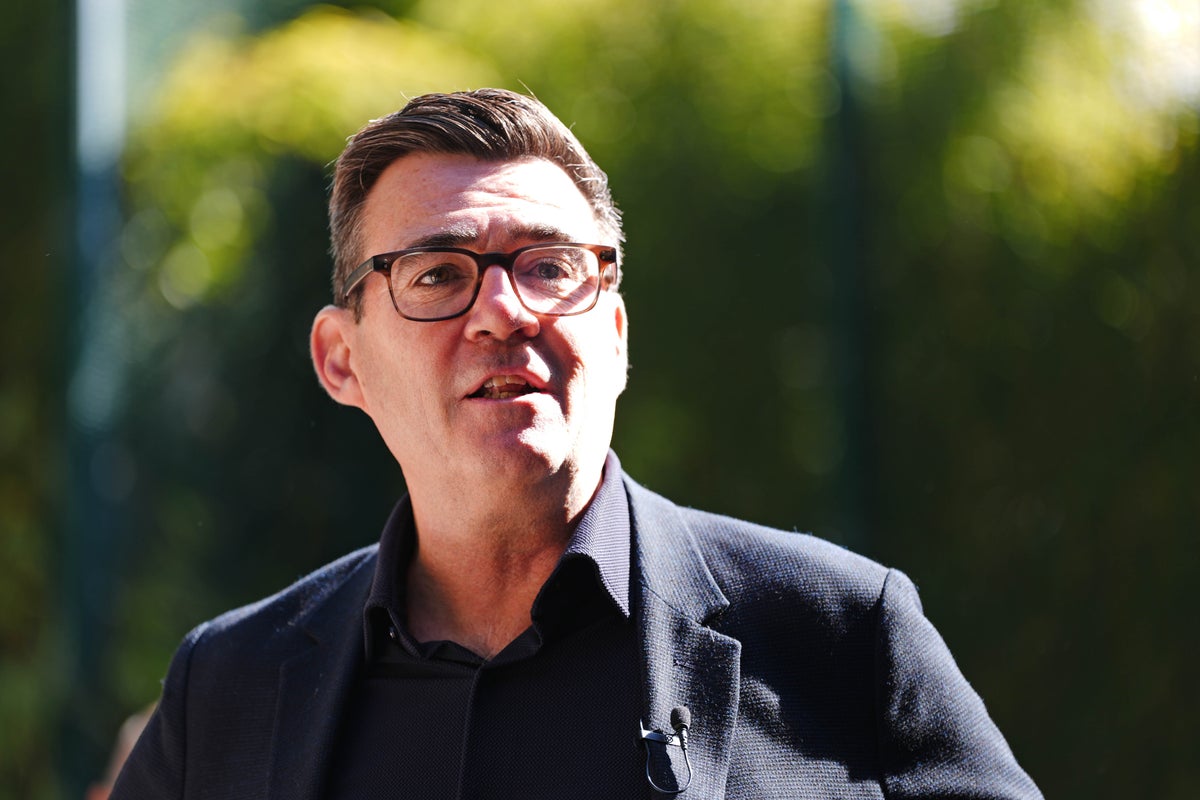
Andy Burnham has pledged further cost-of-living support two weeks into his premiership, while his chancellor John Healey warned businesses against "taking the public for a ride" on food and petrol prices amid pressure from the war in Iran. The intervention follows Burnham's opening measures in Downing Street, including cutting VAT on energy bills and reducing business rates for pubs, and reflects concerns raised by voters during the campaign about being unable to afford drinks, days out or holidays.
Healey said regulators would act if evidence emerged of price gouging at pumps or tills, though he stressed there was currently no significant evidence of this and acknowledged the government "can't completely stop the squeeze" on households. Burnham has also flagged "outrageously" high rail fares as a target and capped bus fares at £2 through 2027, but Healey has told the cabinet no new money is available for these pledges, urging departments to redirect funds from "unproductive or legacy programmes" ahead of the first budget on 28 October, which he said would be "built on fiscal discipline".
- Burnham promises more cost-of-living help after hearing voters' struggles
- Healey warns firms against price gouging on fuel and food
- No new funding; first budget set for 28 October
New here? Start with this
Andy Burnham became prime minister two weeks ago, and one of the main challenges facing his new government is the cost of living: the squeeze on household budgets from prices rising faster than wages, particularly for essentials such as food, fuel and energy. This has been a long-running concern for voters, many of whom say they struggle to afford everyday costs like drinks, days out or holidays.
John Healey is Burnham's chancellor, the minister in charge of the economy and government finances. His job includes deciding how much money is available to fund policies such as help with bills, and he is preparing the government's first budget, a statement setting out tax and spending plans, due on 28 October.
The war in Iran is mentioned as a factor putting pressure on prices, since conflicts in the Middle East can disrupt oil supplies and push up the cost of fuel and, in turn, other goods. Regulators are the official bodies that oversee markets and can investigate or act if businesses are found to be charging unfairly.