Burnham defends hospitality rate cuts amid warnings of tax rises under new PM
Developed over time first seen 3 months ago
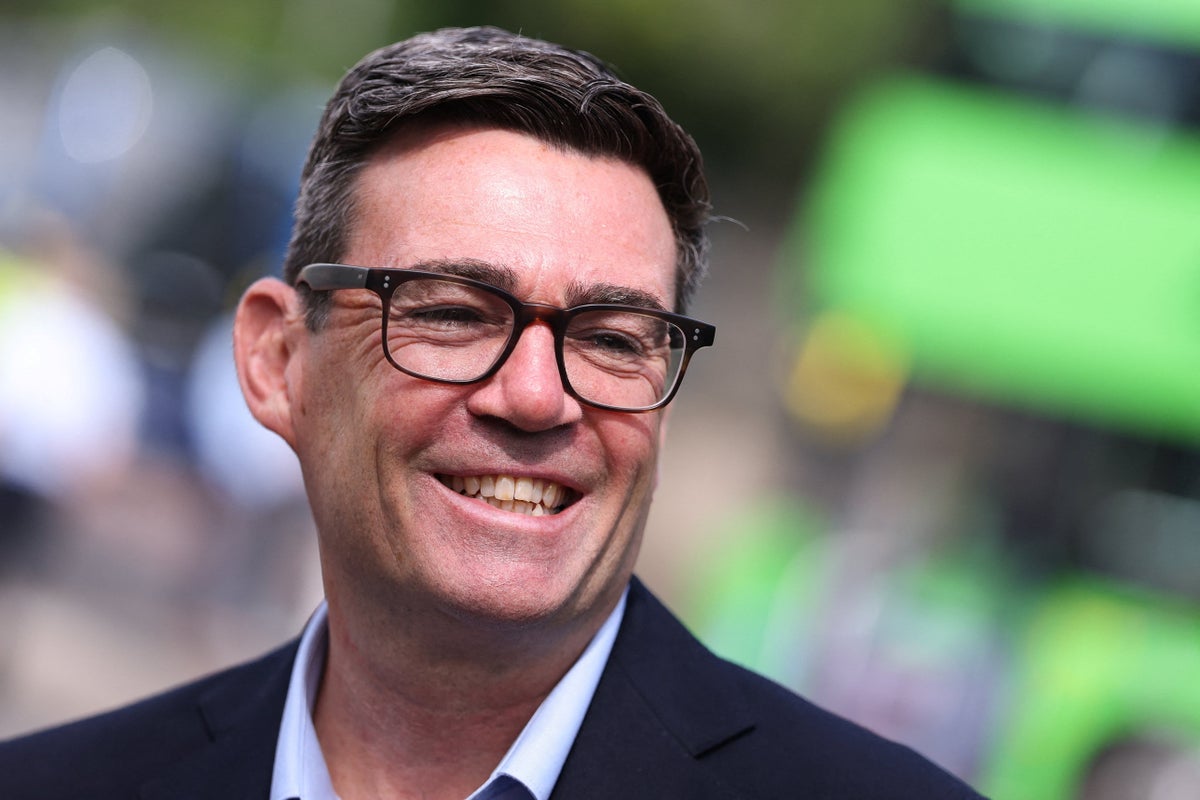
Andy Burnham, the Mayor of Greater Manchester, has defended cuts to business rates for the hospitality sector, arguing the move supports pubs, restaurants and bars that have struggled with rising costs. His comments come amid separate warnings that a future prime minister could be forced to raise taxes to plug gaps in the public finances, framing his regional support measures against a backdrop of wider fiscal pressure on government.
No article text was supplied beyond the headline, so further specifics on the size of the rate cuts, the reasoning behind the tax rise warnings, or who issued them cannot be confirmed. This summary reflects only what can reasonably be inferred from the title.
- Sources
- 3
- Outlets
- 3
- Left · Centre · Right
- 2 · 0 · 1
In short
- Burnham backs hospitality business rate cuts in Greater Manchester
- Comes alongside warnings of possible future tax rises
- Full article detail unavailable to confirm specifics
How this story developed
- 3 months ago No fresh detail has been confirmed beyond the earlier announcement, as no new article text or source material has been supplied to verify further developments in the story.
- 3 months ago It emerges that Burnham has since become prime minister and unveiled a 20 per cent cut to business rates for pubs, nightclubs and live music venues across England, with the Resolution Foundation warning the chancellor will likely need substantial tax rises to fund the pledge as it is only partly offset by scaled-back rate reliefs.
- 3 months ago Andy Burnham, the Mayor of Greater Manchester, defends cuts to business rates for pubs, restaurants and bars, arguing the support is needed as hospitality firms struggle with rising costs, while separate warnings suggest a future prime minister may need to raise taxes to cover public finance shortfalls.
Where outlets differ
Left-leaning outlets 2
- Andy Burnham latest: New PM warned spending spree ‘will force tax rises’ as rate cut for pubs announcedThe Independent
- Andy Burnham cuts business rates for hospitality, targets vape shopsThe Guardian
Only here: warned, spending, spree, force, rises
Right-leaning outlets 1
Only here: announces, venues
Every side used: andy, burnham, business, rates, hospitality
Headline columns compared word for word; nothing in them is AI-written.
Steelman: both sides, in good faith
The strongest fair case each way — we don't pick a winner.
The case for
Supporters of the rate cuts argue that hospitality venues, pubs and restaurants have been squeezed by soaring energy bills, wage costs and the lingering effects of the pandemic, and that easing their business rates burden is one of the few levers local leaders have to keep high streets alive and protect jobs. They see it as a pragmatic, targeted intervention that pays for itself by preventing closures, preserving footfall for surrounding shops, and sustaining a sector that is often the beating heart of town centres. From this view, defending the cuts even amid warnings of wider tax rises reflects a responsible prioritisation of struggling small businesses and local economic recovery over abstract fiscal caution.
The case against
Sceptics of the approach argue that any relief given to one sector has to be paid for somewhere else, whether through higher taxes elsewhere, reduced public services, or additional borrowing, and that it is unwise to commit to giveaways while a new government's tax plans remain uncertain. They contend that sound public finances require difficult trade-offs to be made transparently rather than sector-specific concessions that risk being unaffordable if revenues tighten. On this view, caution and fiscal discipline matter more than shielding a single industry, however politically popular that industry's cause may be.
Explained simply
Andy Burnham is the elected Mayor of Greater Manchester, a role that gives him some control over regional policy, including business support measures, though not over national taxation, which remains a matter for central government. Business rates are a property-based tax that shops, pubs and restaurants pay to local authorities, and hospitality businesses have long argued these costs are unsustainable given rising energy bills, wages and food prices since the pandemic.
The wider context is a difficult picture for the public finances, with commentators warning that whoever becomes the next prime minister may have little choice but to raise taxes to cover a shortfall between what the government spends and what it collects. This matters because local efforts to ease costs for businesses, such as rate cuts, sit alongside a much bigger national question about how the country pays its bills, and the two can pull in different directions.
Coverage · 3 sources
Bias meters
From 3 rated sources.
Business Government Health Markets Medicine Politics UK World