Cabinet revolt over John Healey’s plans for raid on banks as he struggles to balance books in Budget
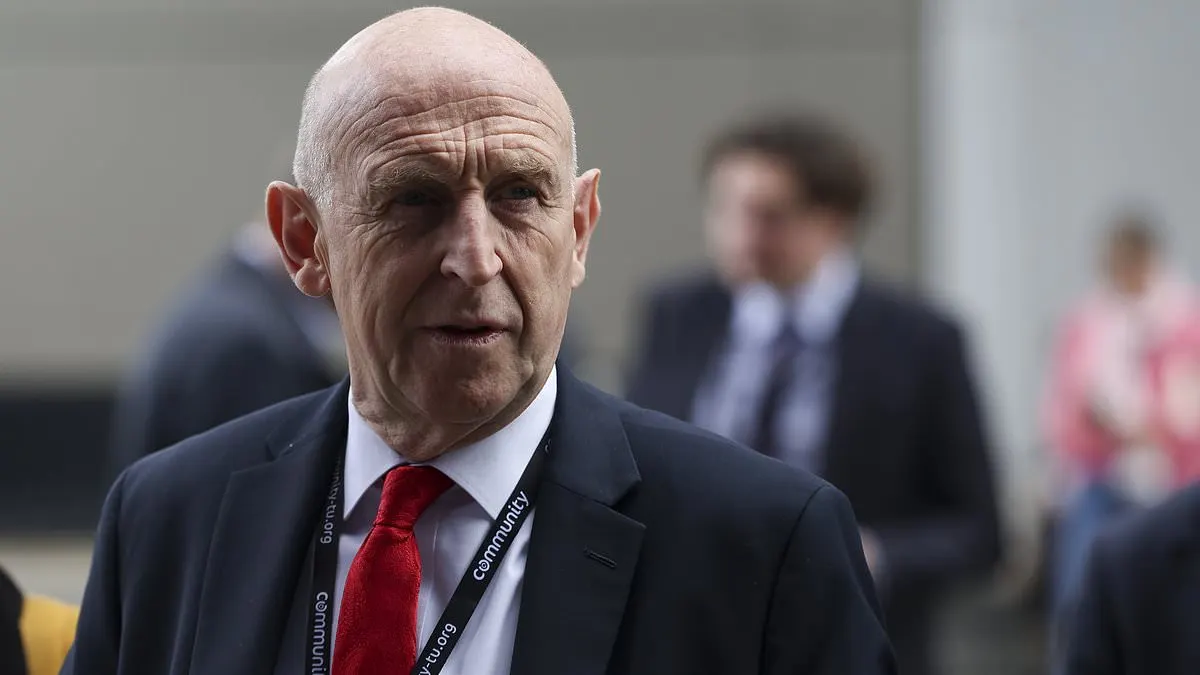
Chancellor John Healey is facing opposition from within Cabinet over plans to raise taxes on banks as he prepares his first Budget on 28 October. The proposed higher levy on the banking sector has provoked concerns from senior ministers who worry it could undermine Prime Minister Andy Burnham's commitment to economic growth and deter business investment in the UK. The disagreement comes as Healey prepares to meet with bosses from Lloyds, Barclays, HSBC and NatWest on Tuesday, with the banks already mobilising to resist the tax increase.
Healey must find billions of pounds to fund a Defence Investment Plan whilst his fiscal headroom has shrunk to around £12 billion following the impact of the Iran war and rising borrowing costs. Trade unions, including the Trades Union Congress, are calling for the bank surcharge to rise from its current 3 per cent to at least 8 per cent, which they say would generate £9 billion over four years. The banking sector already paid £39.1 billion in tax in the 2025-26 tax year, up 8.5 per cent from the previous year, with surcharge receipts jumping by 20 per cent due to increased industry profits. Critics argue that businesses are already burdened with recent rises in business rates and National Insurance contributions.
- Chancellor faces Cabinet opposition over bank tax in first Budget
- Banks and ministers warn higher levies could deter UK investment
- Treasury needs funds for defence whilst fiscal room shrinks
New here? Start with this
John Healey is the Chancellor of the Exchequer, the government minister responsible for managing the nation's finances and preparing the Budget—the annual plan for how taxes will be collected and public money spent. He is planning to raise taxes on Britain's banks in his Budget later this month, but some senior ministers are opposing the move, fearing it could harm economic growth.
The government is under financial pressure. Healey needs to find billions of pounds to fund increased defence spending, but the available tax revenue has shrunk due to international events and rising borrowing costs. One potential solution is to increase the existing tax on bank profits, which currently stands at 3 per cent. Trade unions have called for this tax to increase to 8 per cent, arguing it could generate about £9 billion over four years.
The disagreement reflects a difficult balancing act. Banks already contribute significant sums in tax, and other businesses have recently faced higher National Insurance and business rates. Ministers must decide whether raising bank taxes serves national priorities or risks deterring investment and growth.
Both sides, in good faith
The strongest fair case each way — we don't pick a winner.
The case for
Supporters of raising the bank surcharge argue that financial institutions are highly profitable with significantly increased earnings, making them well-positioned to contribute more to public finances. With the government facing severe fiscal constraints and vital Defence commitments to fund, a targeted levy on the banking sector—which has already benefited from public support during crises—represents a fair and efficient way to raise substantial revenue (potentially £9 billion over four years) without further burdening struggling households or broader businesses.
The case against
Opponents contend that economic growth, not higher taxation, offers the most sustainable path to solving fiscal challenges. They point out that banks already contribute substantially to the tax base (£39.1 billion last year, with surcharge receipts up 20 per cent), and fear that further increases risk pushing financial services operations and investment to other jurisdictions, ultimately reducing tax revenues and employment. Combined with recent rises in National Insurance and business rates, another tax rise could undermine the government's growth commitments and dampen the business confidence needed for long-term prosperity.