Can the Royal Navy legally stop the boats?
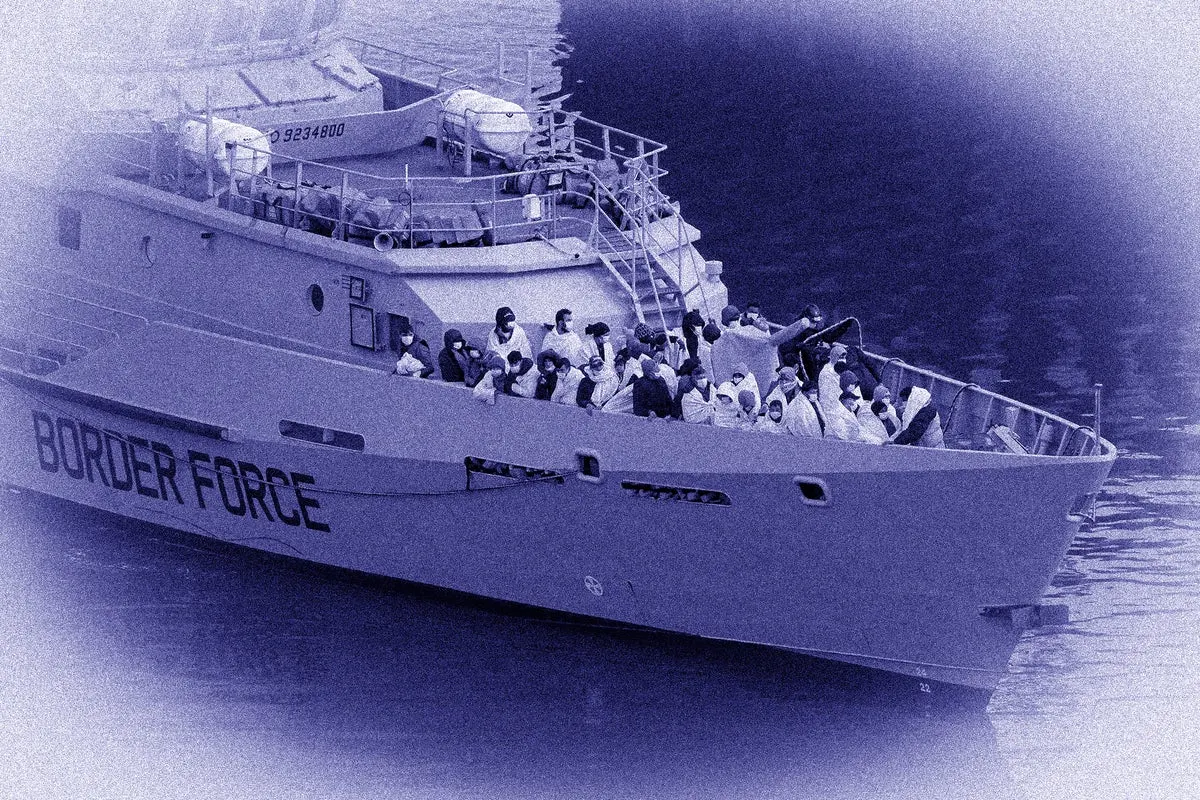
Reform UK has proposed "Operation Fortress", a plan to deploy the Royal Navy, Royal Marines, RAF and British Army in the Channel to intercept migrant boats and return them to France or Belgium, which the party describes as the largest such military operation since the Second World War. Labour has dismissed the announcement as "reheated" rhetoric that offers "easy answers" rather than a genuine solution, while legal experts question whether the plan could actually be implemented within the bounds of domestic and international law. The proposal has reignited debate over how far military force can legally go in tackling small boat crossings.
While using the navy for logistics, surveillance and intelligence gathering (as happened between 2019 and 2023) would be lawful, directly intercepting, towing or pushing back boats raises serious legal problems. These include the risk of a common law offence if anyone is injured or killed, the universal right to claim asylum, obligations under maritime conventions such as the 1974 Safety of Life at Sea Convention and the 1982 UN Convention on the Law of the Sea to rescue those in danger, and the risk of violating French sovereignty, which could trigger diplomatic or trade tensions. Home Office figures cited in the article show 11,884 migrants arrived by small boat in the first six months of 2026.
In short
- Reform UK pledges naval "Operation Fortress" to intercept Channel migrant boats
- Legal experts say direct interception likely breaches maritime and asylum law
- Labour calls the plan "reheated" and criticises it as an empty gesture
Steelman: both sides, in good faith
The strongest fair case each way — we don't pick a winner.
The case for
Border control advocates argue that nation states possess an inherent sovereign right to control their territorial waters and that properly conducted naval operations—respecting maritime rescue conventions, coordinating with French authorities, and maintaining appropriate safeguards—can achieve this within international law. They note that some uses of naval resources (surveillance and logistics between 2019-23) have already been established as lawful, suggesting a spectrum of permissible activity, and contend that the substantial volume of arrivals represents a legitimate governance challenge demanding effective state response.
The case against
Critics emphasise that international maritime law creates binding, near-absolute obligations to rescue vessels in distress regardless of passengers' circumstances, obligations that cannot be suspended for border control purposes. The universal right to seek asylum, protected under international law, cannot be overridden by unilateral action, and the practical reality of small boat operations means interception inherently risks harm or death that could expose the state to criminal liability. Additionally, forcibly intercepting boats risks violating French sovereignty, potentially triggering serious diplomatic consequences that no border control benefit could justify.
Explained simply
Small boat crossings are journeys across the Channel, often in overcrowded craft, by people seeking to reach the UK. The Royal Navy has previously helped monitor crossings and provide logistical support, while decisions about asylum and border enforcement sit with the UK government.
Reform UK’s Operation Fortress proposes using the armed forces to intercept boats and return people to France or Belgium. Any direct action would have to account for the safety of people at sea, the right to seek asylum and the laws governing activity in French waters.
The debate matters because the Channel is both a migration route and a busy international sea passage. How the UK responds can affect people making the crossing, its relations with France and the role of the armed forces in border enforcement.