Chancellor ‘plans £1bn bailout’ for soaring energy bills at Budget… but help will go to benefits claimants
Developing story first seen 2 hours ago
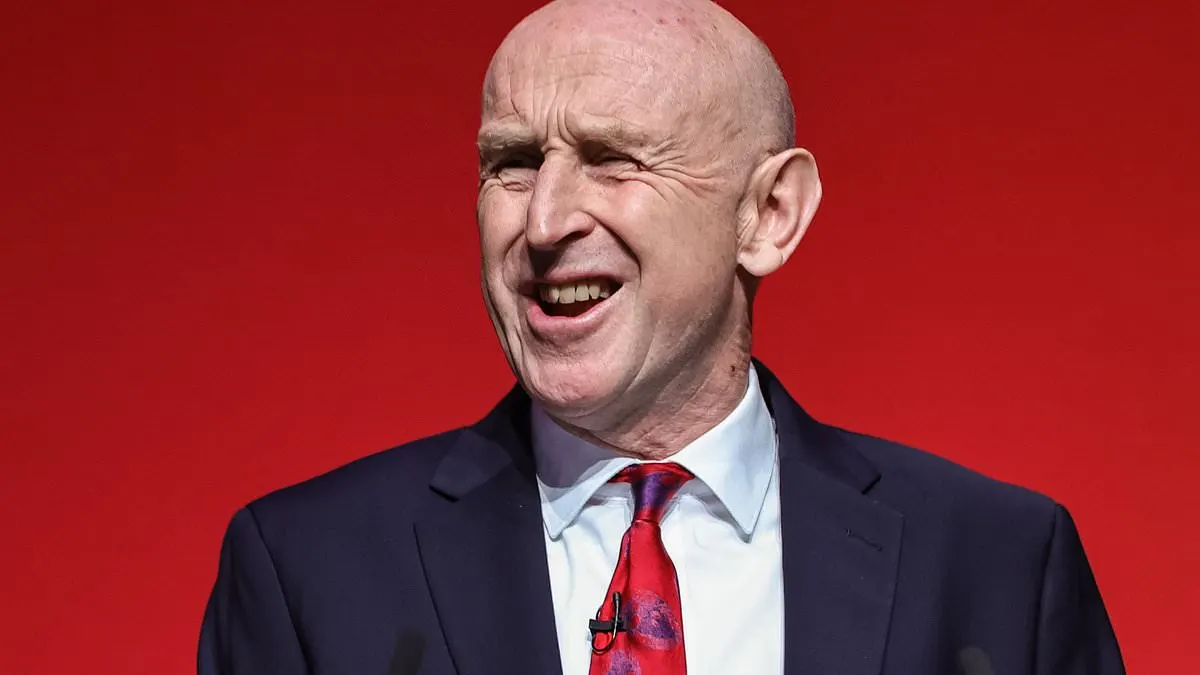
The Chancellor is preparing a £1 billion bailout for soaring energy bills ahead of the October 28 Budget, but the bulk of this support will be targeted solely at benefits claimants. The move comes as the government faces alarm over the energy price cap potentially rising by more than 20% in January amid the Middle East crisis. The proposed solution is to increase the Warm Homes Discount from £150 to £250 annually, available only to households on means-tested benefits such as universal credit or housing benefit.
The Treasury has ruled out a broader proposal to shift all energy bill levies to general taxation, which would have cost over £3 billion. John Healey is under intense pressure to balance spending commitments, including finding £5 billion for the Defence Investment Plan, whilst markets are driving up UK borrowing costs. Previous attempts to ease the burden on households, such as the 5% VAT cut on electricity bills, were quickly cancelled out by subsequent rises in the price cap.
- Chancellor proposes £1 billion energy bills bailout targeted at benefits claimants only
- Warm Homes Discount to increase from £150 to £250 per year under new plan
- Energy price cap expected to rise by over 20% in January
New here? Start with this
Energy bills across the UK are expected to rise sharply in the coming months, with the price cap potentially increasing by more than 20 per cent in January. This is particularly concerning for low-income households and those relying on state benefits, who spend a much larger share of their income on heating and electricity. The government faces pressure to ease the burden on vulnerable families as they head into winter.
The Chancellor is preparing support ahead of the October Budget, with a £1 billion package aimed specifically at households on means-tested benefits such as universal credit or housing benefit. The main proposal is to increase the Warm Homes Discount, an existing scheme providing one-off payments to vulnerable households, from £150 to £250 annually. This represents a more limited response than some broader options that were considered.
The Treasury ruled out a wider approach that would have moved energy bill costs onto general taxation, partly because it would have cost over £3 billion. The government is juggling multiple spending demands and facing higher borrowing costs, making such an expanded scheme difficult to fund. Previous attempts to reduce energy bills for all households have been eroded by subsequent price cap increases, meaning their long-term impact has been limited.
Both sides, in good faith
The strongest fair case each way — we don't pick a winner.
The case for
Concentrating limited support on those with the fewest resources demonstrates prudent fiscal management when the government faces multiple spending pressures and rising borrowing costs. Benefits claimants face the sharpest impact from energy price rises relative to their means, making this group the rational priority for a £1 billion intervention. Targeted programmes also avoid subsidising those with greater financial capacity to absorb increases, ensuring public resources are deployed where they matter most.
The case against
Energy represents a fundamental necessity for all households, not merely those claiming means-tested benefits, and price cap rises above 20 per cent affect working families and pensioners equally regardless of income assessment. Means-tested support creates administrative burden and excludes many in genuine hardship who fall just outside eligibility thresholds, fragmenting support when a systemic crisis demands universal response. Broader measures that address structural causes represent more economically sound and equitable policy than targeted schemes that leave most struggling households without assistance.