Claude Code is revolutionizing digital archaeology. Enterprise better dig it
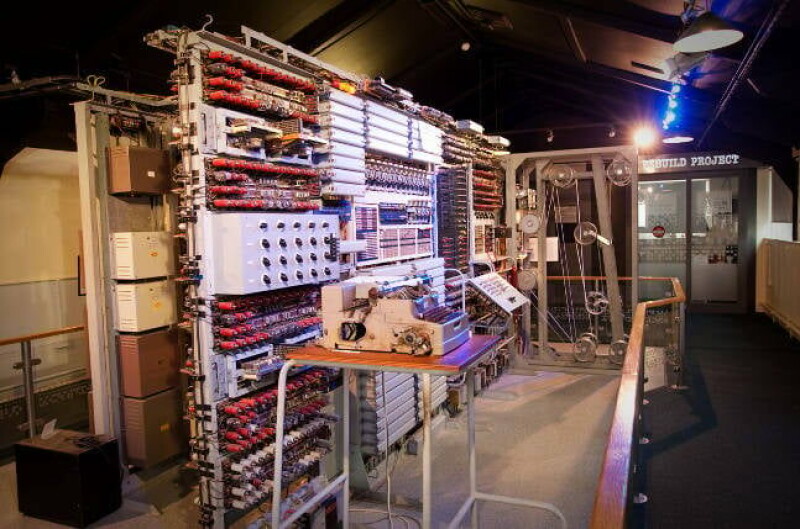
Claude Code, Anthropic's AI coding assistant, is proving surprisingly effective at "digital archaeology" – reverse-engineering obsolete computer systems – according to talks given at the UK's National Museum of Computing (TNMoC) at Bletchley Park. The museum, known for restoring and documenting historic machines from Colossus to 1970s mainframes, has recently hosted presenters describing how the AI tool helped them revive and document decades-old, poorly documented hardware and software, a task that traditionally required rare specialist expertise.
Examples include Phil Pemberton using Claude Code to get software working for a new accelerator linking 1980s Inmos Transputer parallel-processing systems to the Acorn Archimedes, despite struggling himself with the notoriously difficult occam programming language. Another project, led by Rob Smallshire, involved disassembling and fully annotating Acorn's 6502-based Network Filing System for Econet, a pre-Ethernet 1980s LAN system, in order to write a rare Econet game. Claude Code reportedly ran and debugged emulators, cross-checked chip datasheets, interpreted circuit diagrams, and produced cleanly commented source code – work described as comparable to an expert human reverse engineer, with a ROM processable in a day, prompting one self-described AI sceptic in the audience to say it "blew my mind."
- AI tool Claude Code is aiding reverse-engineering of obsolete retro computer systems.
- Used to revive 1980s Inmos Transputer and Acorn Econet software/hardware.
- TNMoC talks show it matching expert-level reverse engineering speed and quality.