Dolly Parton turned a rag coat into a symbol of love and blessing
Developed over time first seen 2 days ago
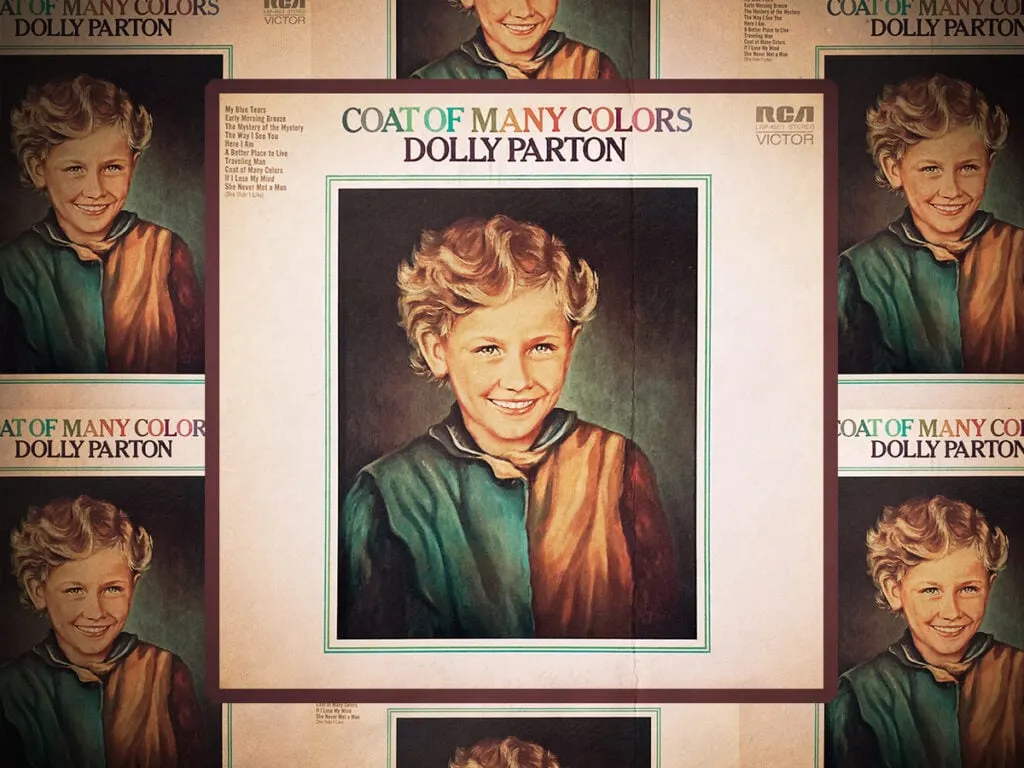
Dolly Parton’s song “Coat of Many Colors” turns the biblical story of Joseph’s coat into a tale of love and good fortune. The article says Parton’s mother made her a colourful coat from scraps and told her it would bring happiness; although classmates mocked it, Parton cherished it and later made it the centre of a song about family, poverty and dignity.
The article argues that the 1971 album *Coat of Many Colors* moves beyond the song’s hopeful message, echoing the biblical story’s shift from apparent blessing to hardship. Songs including “My Blue Tears” and “If I Lose My Mind” dwell on heartbreak and despair, while “Here I Am” and “A Better Place to Live” turn towards love, resilience and hope. It concludes that Parton’s lasting gift was her voice and the empathy behind her music.
- Parton’s mother made her a coat from scraps and gave it a hopeful meaning.
- The title song reframes Joseph’s coat as a source of love and dignity.
- The album moves through sorrow towards resilience and hope.
New here? Start with this
Dolly Parton's "Coat of Many Colours" is a 1971 album named after a patchwork coat her mother made during her childhood from fabric scraps. The album tells the story of growing up poor and facing ridicule at school, eventually transforming that hardship into a narrative of maternal love and resilience.
Parton, one of the most significant figures in country music, drew on her own impoverished Tennessee upbringing for much of her early work. The album became celebrated for its emotional honesty and has endured as a classic, making it a touchstone for understanding both her artistry and the country music tradition.
The article examines how the album's emotional journey is more complex than its hopeful title might suggest. Parton's middle songs explore heartbreak and despair before circling back to themes of love and redemption, creating a narrative arc that echoes the biblical story of Joseph and his coat, where the garment becomes a source of jealousy and betrayal rather than simple comfort.
Full account
Dolly Parton's eighth studio album, released on 4 October 1971, draws its title and central narrative from a childhood memory that remained deeply personal throughout her extraordinary career. The album emerged during a prolific period in country music and stands as a testament to Parton's gift for transforming lived experience into universal storytelling. Following her death in August 2026 at age 80, after nearly six decades of musical achievement, the album has taken on renewed significance as a cornerstone of her artistic legacy.
The album's focal point originates from Parton's impoverished upbringing in East Tennessee, where her mother, Avie Lee, fashioned a winter coat from scrap fabric for her daughter. With limited financial resources to support her large family, Avie employed needlework to clothe her children, and on this occasion, she accompanied the gift with the biblical tale of Joseph and his multicoloured garment—a story of divine favour. Parton's initial elation at possessing this handmade creation was tempered by the cruelty of her schoolmates, who derided the child for wearing a coat assembled from remnants. Her mother's response became foundational to Parton's understanding of wealth and dignity: true richness, she explained, originated internally rather than externally.
The titular composition transforms this childhood humiliation into a meditation on authentic worth, ultimately inverting the biblical narrative upon which it draws. Where Joseph's coat precipitates familial envy and suffering, Parton's version celebrates maternal love, familial bonds, and the spiritual abundance available regardless of material circumstance. In interviews throughout her life, Parton emphasised that the song transcended its literal subject matter. Speaking with Stephen Colbert, she described it as addressing 'my mom, family, acceptance, and tolerance' rather than merely recounting the history of a garment. Released as the album's lead single, the composition achieved notable commercial success, reaching number four on the country charts after its September 1971 debut.
Coat of Many Colors reached number seven on the country albums chart and garnered recognition from the Country Music Association, which nominated it for Album of the Year honours. Parton authored the entire collection independently, with the exception of three compositions contributed by her mentor, Porter Wagoner, demonstrating the deeply personal nature of the work. The album's subsequent tracks, including 'My Blue Tears' (which peaked at number 17 on the country singles chart), sustain the melancholic emotional register characteristic of country music, creating a thematic arc that moves from celebration to sorrow—a trajectory that paradoxically mirrors the biblical Joseph narrative more closely than its opening justifies.
Where outlets differ
Source 1 emphasises the album's thematic journey from hope to despair and its literary parallels to the biblical story; Source 2 focuses on Dolly's personal attachment to the song and its autobiographical dimensions
Source 1 does not reference Dolly's death; Source 2 contextualises the album within her full career and recent passing
Source 2 provides specific chart positions and release dates; Source 1 offers literary analysis without numerical data
Source 1 highlights the contrast between the coat's meaning in biblical versus Parton's version; Source 2 emphasises Dolly's own interpretation of the song's broader significance beyond the garment's narrative
More coverage
Art Culture Entertainment Music
Read the full article at the source →
Originally published by Far Out as “‘Coat of Many Colors’: The 1971 Dolly Parton album that subverts its biblical counterpart”.