‘Coat of Many Colors’: The 1971 Dolly Parton album that subverts its biblical counterpart
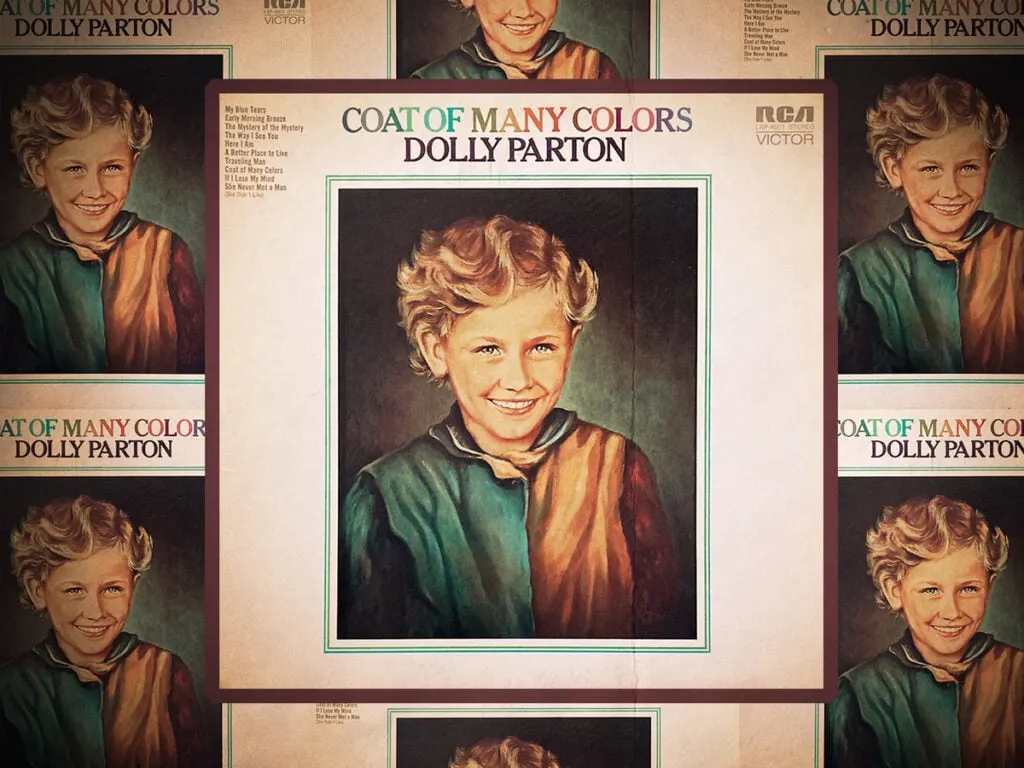
Dolly Parton’s 1971 album *Coat of Many Colors* takes its title from the childhood coat her mother made from scraps, turning a story of poverty and schoolyard ridicule into one of love and good fortune. The article argues that the record’s emotional arc complicates this hopeful image, echoing the biblical story of Joseph, whose coat brought jealousy and betrayal.
After the opening title song, tracks including ‘My Blue Tears’ and ‘If I Lose My Mind’ dwell on heartbreak and despair. The closing songs, ‘Here I Am’ and ‘A Better Place to Live’, restore a more hopeful mood, with Parton singing about love, resilience and a better world. The article sees the album’s lasting gift as Parton’s compassionate, defiant voice.
- Parton’s childhood coat inspired her 1971 album.
- The record moves from sorrow towards hope.
- Its deeper gift is Parton’s voice and compassion.
New here? Start with this
Dolly Parton's "Coat of Many Colours" is a 1971 album named after a patchwork coat her mother made during her childhood from fabric scraps. The album tells the story of growing up poor and facing ridicule at school, eventually transforming that hardship into a narrative of maternal love and resilience.
Parton, one of the most significant figures in country music, drew on her own impoverished Tennessee upbringing for much of her early work. The album became celebrated for its emotional honesty and has endured as a classic, making it a touchstone for understanding both her artistry and the country music tradition.
The article examines how the album's emotional journey is more complex than its hopeful title might suggest. Parton's middle songs explore heartbreak and despair before circling back to themes of love and redemption, creating a narrative arc that echoes the biblical story of Joseph and his coat, where the garment becomes a source of jealousy and betrayal rather than simple comfort.