Charities warn Badenoch’s aid cuts would undermine Britain’s global standing
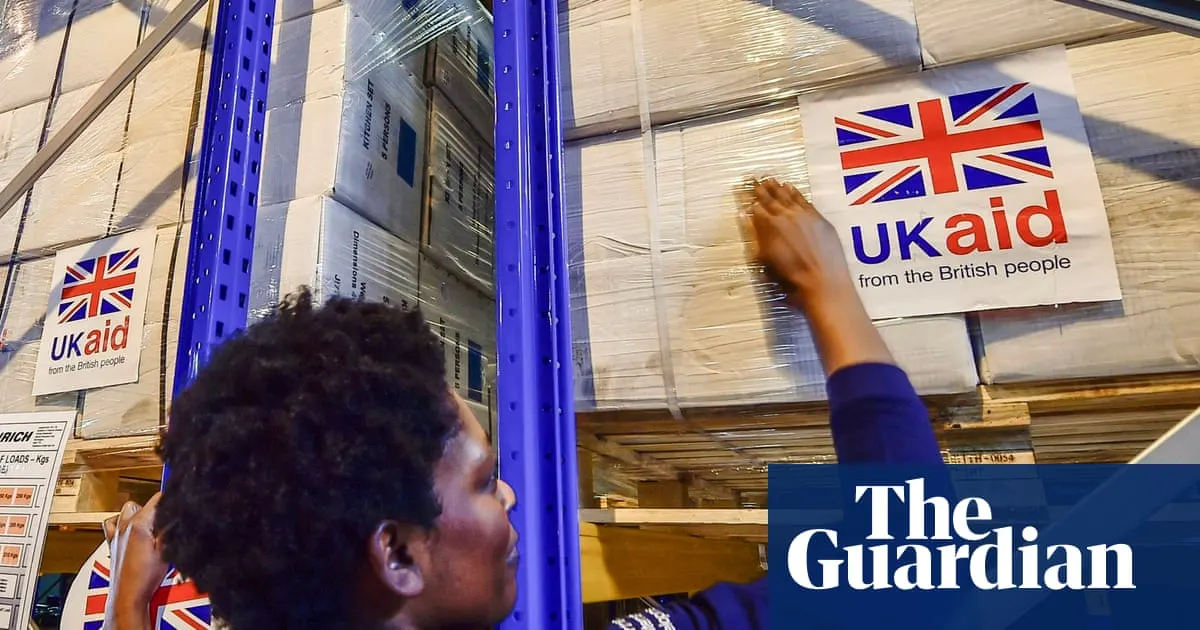
Conservative leader Kemi Badenoch has announced plans to slash the UK's overseas aid budget by 90%, from £9bn annually to just £1bn, to fund 50,000 new prison places and culture budget cuts. Charities and development organisations argue this radical reduction would irreparably damage Britain's global credibility and leave it unable to meet existing commitments to major international institutions like the UN and World Bank.
The UK's existing multilateral aid commitments alone exceed £1.6bn yearly, meaning a £1bn total budget would struggle to cover these obligations. Around 70% of the proposed budget would be consumed by funding British diplomats' work globally, with charities noting it would be nearly impossible to immediately withdraw from multi-year international agreements. This follows Labour's earlier reduction of aid from 0.5% to 0.3% of GDP, and similarly echoes Reform UK leader Nigel Farage's proposal to cap aid at £1bn.
- Conservative plan would cut UK aid 90% to £1bn, impractical say charities
- Existing commitments alone exceed £1.6bn, making the target unaffordable
- Move risks UK's global influence and ability to respond to disasters
New here? Start with this
The UK allocates around £9 billion annually to overseas aid, funding development projects and contributing to international organisations such as the United Nations and World Bank. Through this spending, Britain supports economic development in poorer countries and maintains its standing as a major global partner. These financial commitments are an important part of how Britain engages with the wider world.
The UK has made binding long-term financial commitments to various international organisations and development programmes. These existing commitments alone total over £1.6 billion per year, and backing away from them would mean breaking promises to partner countries and international institutions, damaging Britain's reputation for reliability and trustworthiness.
Conservative leader Kemi Badenoch has proposed cutting the aid budget from £9 billion to £1 billion annually to fund domestic priorities such as prisons. Charities point out that existing international commitments alone exceed the entire new budget, and additionally around 70% of the reduced sum would go to funding British diplomats abroad. They argue this combination would effectively prevent new aid programmes and damage Britain's credibility as an international partner.
Both sides, in good faith
The strongest fair case each way — we don't pick a winner.
The case for
Supporters of the proposed cuts argue that when domestic public services face severe strain—including prison overcrowding and NHS pressures—Britain must prioritise its own citizens first. They contend that a £9bn aid budget cannot be justified whilst British infrastructure and services suffer, and that questions remain about aid effectiveness and whether recipient nations should bear greater responsibility for development. They see this as prudent stewardship of public money and appropriate assertion of national interest.
The case against
Opponents argue that overseas aid is fundamental to Britain's global diplomatic influence and strategic interests, particularly on issues affecting trade and security. They stress that existing multilateral commitments create legal and political obligations that cannot simply be abandoned, and that the aid budget represents a modest proportion of total spending. They contend that modern challenges—from pandemics to climate change to international stability—are inherently global, and that Britain's credibility as a reliable international partner is an asset worth maintaining.
Art Business Culture Geopolitics Politics UK World
Read the full article at the source →
Originally published by The Guardian as “Conservative plans to slash aid budget by 90% to ‘irreparably damage’ UK’s global credibility, charities say”.