Conservatives pledge 50,000 new prison places, vow to end early-release scheme
Developed over time first seen 2 hours ago
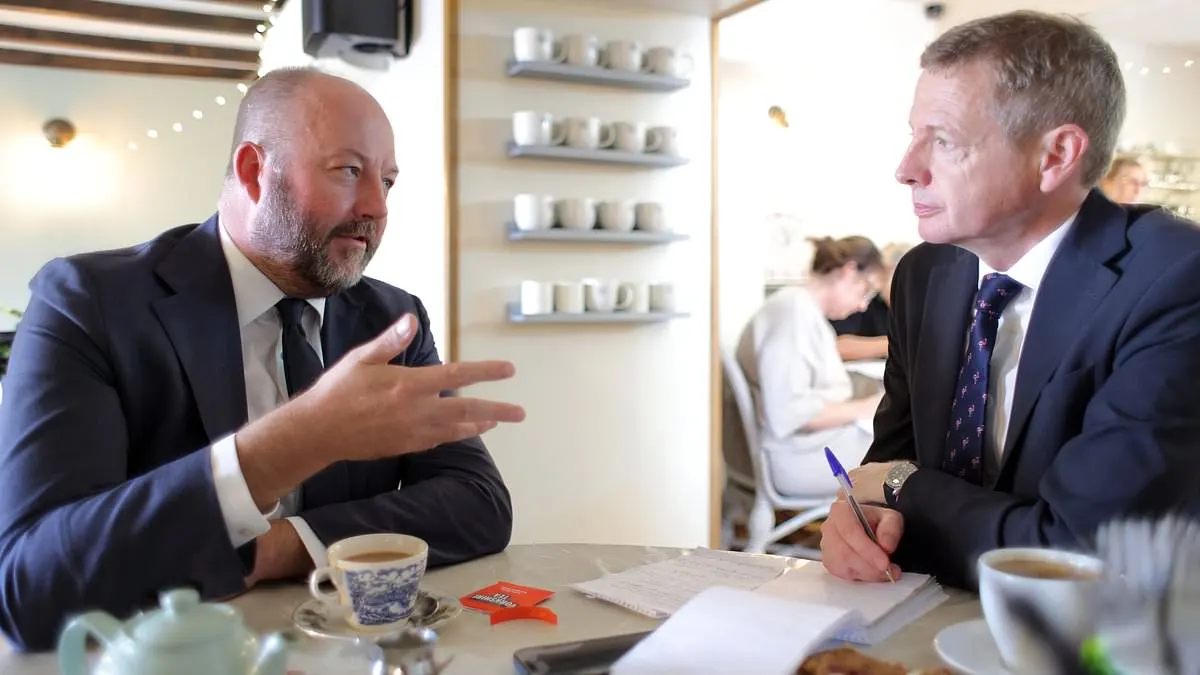
The Conservative Party has announced plans to build 50,000 additional prison places if returned to government, representing a more than 50 per cent expansion of the current prison estate. The proposal, championed by Shadow Justice Secretary Nick Timothy and party leader Kemi Badenoch, resurrects the "prison works" messaging from the 1990s and would be funded through cuts to foreign aid spending.
The party argues the expansion is necessary to address rising crime and reverse Labour's policy of releasing prisoners early to manage overcrowding. Specific offences targeted for custodial sentencing include shoplifting, which has increased by 20 per cent, and knife crime. The plan would effectively dismantle the early-release scheme and restore shorter prison sentences for mid-range criminal offences, marking a significant shift in Conservative criminal justice policy.
- Conservatives pledge 50,000 new prison places, more than doubling current capacity
- Plan would end Labour's early-release scheme and restore short sentences for shoplifting and knife crime
- Expansion funded by foreign aid cuts, reviving 1990s "prison works" approach to crime
New here? Start with this
The English prison system is severely overcrowded, forcing the government to release some prisoners early to make space for new inmates. This early-release scheme was introduced by the current Labour government to manage the shortage of prison places.
The Conservative Party has pledged to build 50,000 additional prison spaces—expanding the estate by more than half. They argue this would allow them to end early releases and hand longer sentences to people convicted of crimes including shoplifting and knife crime, both of which have increased in recent years.
How best to manage crime and the prison system is a central political issue in Britain. The Conservative proposal represents a significant policy contrast to Labour's approach of managing overcrowding within the existing system.
Both sides, in good faith
The strongest fair case each way — we don't pick a winner.
The case for
The Conservative case emphasises that expanding prison capacity and ending early release protects public safety by ensuring criminals face meaningful consequences for their actions, particularly for visible crimes like shoplifting and knife crime that have demonstrably increased. Supporters argue that certainty of punishment deters offending, that early-release schemes undermine justice for victims and public confidence in the system, and that incapacitating dangerous offenders prevents them from reoffending in their communities whilst serving full sentences.
The case against
Critics contend that prison expansion is costly and inefficient compared with evidence-based alternatives like rehabilitation, mental health support, and addressing socioeconomic drivers of crime. They argue that early-release schemes exist because mass incarceration does not reduce recidivism or crime rates effectively, that the approach disproportionately harms disadvantaged communities, and that international evidence suggests countries with lower incarceration rates often achieve lower crime through different criminal justice models, making this policy both fiscally wasteful and counterproductive.
Full account
The Conservatives have pledged to create 50,000 prison places and end Labour’s early-release scheme if they return to government. Party leader Kemi Badenoch has approved a building programme that the party says would increase prison capacity by more than half. Shadow justice secretary Nick Timothy argues that more space would allow courts to impose custodial sentences with greater confidence and prisoners to serve more of the sentences they receive.
The proposal follows the release of hundreds of prisoners under Labour’s latest measures to ease pressure on the prison estate. Badenoch says a shortage of cells should prompt construction rather than earlier releases. Timothy says the scenes of people leaving prison, including one man who told television cameras he intended to steal again, damage confidence that offences carry consequences. He wants to reverse what the Conservatives describe as an effective restriction on short sentences for offences including shoplifting and carrying a knife, and says repeat offenders should face a clear prospect of imprisonment.
The Conservatives put the cost of their proposed programme at £2 billion a year. Their plans would draw principally on a reduction in the foreign aid budget to £1 billion annually, alongside cuts to Whitehall spending. The reports do not set out a construction timetable or explain how quickly the additional places could be brought into use. Those details matter to the party’s promise to end early release, because new capacity would have to be available before it could relieve pressure on existing prisons.
Timothy invokes former Conservative home secretary Michael Howard’s argument that imprisonment can punish offenders and prevent crime while they are in custody. He links prison expansion in the 1990s with a subsequent fall in crime, although the reports do not establish how much of that fall was caused by prison building. He also acknowledges that previous governments, including Conservative-led administrations, failed to build enough places and describes the scale of prison budget cuts during the coalition years as a mistake. That admission sits alongside the party’s criticism of Labour: the current shortage has developed over many years, while the Conservatives’ proposed response depends on funding and delivering a substantial expansion.
Where outlets differ
Both supplied reports are from the Daily Mail, so they do not provide differing outlet perspectives. The first centres on Timothy’s interview, his view of punishment and his acknowledgement of earlier failures to expand capacity. The second presents the proposal chiefly as Badenoch’s announcement, emphasising its funding, the party conference and her criticism of Labour.
Coverage
- Daily Mail — Timothy revives “prison works” pledge with 50,000 new places
- Daily Mail — Conservatives propose 50,000 prison places, funded by aid cuts