Considering a Level 2 EV charger? How to know if you need one
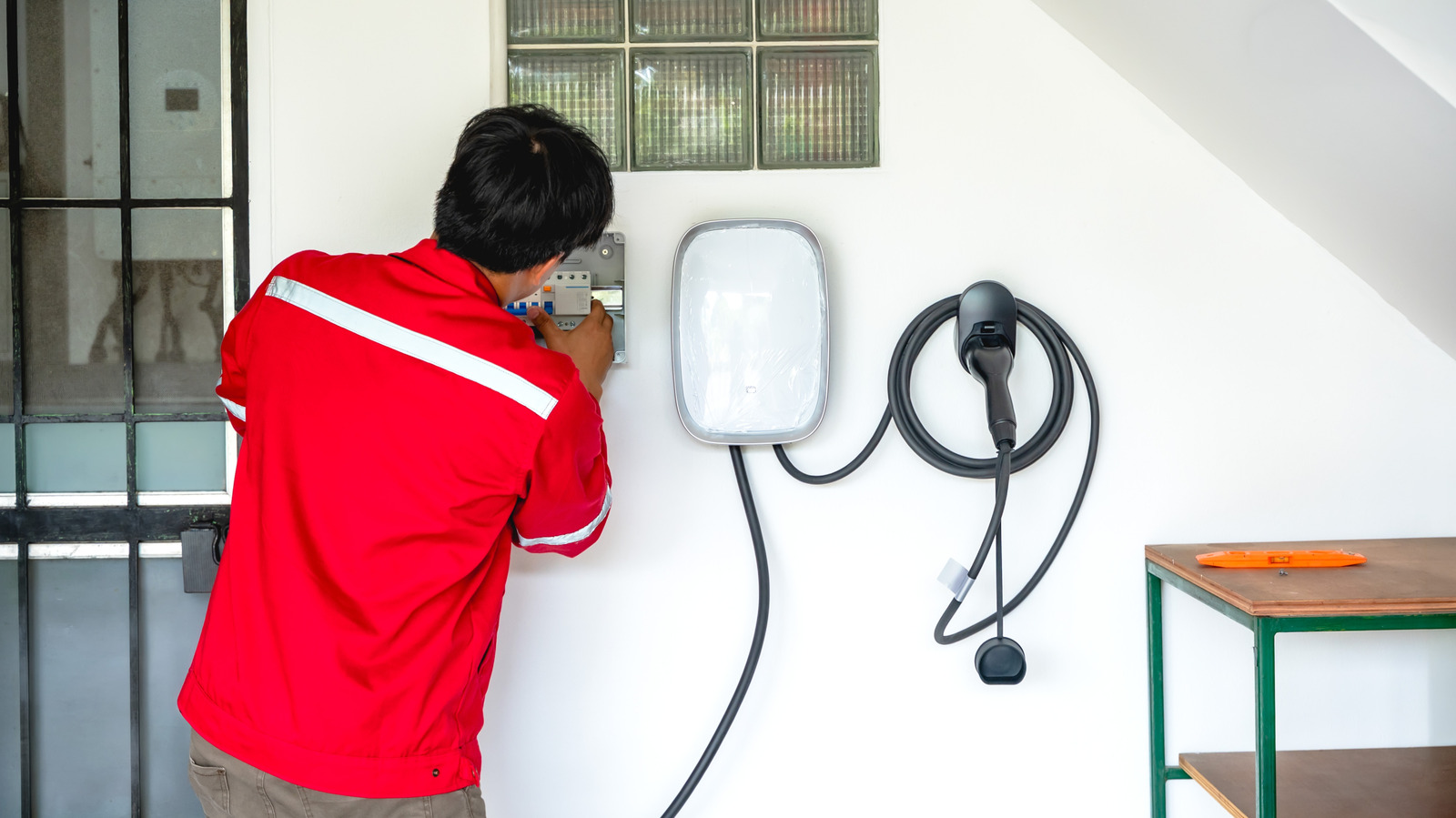
Electric vehicle owners deciding whether to install a home Level 2 charger should base the decision on their car's battery size, its maximum AC charging speed and how many miles they drive each day, rather than assuming faster charging is always necessary. Charging from a standard household outlet is far cheaper than public charging and convenient overnight, but it may be too slow for drivers with larger batteries or long daily commutes, since an EV does not need to be topped up to 100% every day the way a phone does.
A standard 120-volt US household outlet delivers only around 1.8kW, meaning a small-battery car like the Fiat 500e (38kWh) takes about 21 hours to fully charge, while a Tesla Model 3 (79kWh) takes 43 hours and a GMC Sierra EV (155kWh) needs roughly 86 hours. Plug-in hybrids with small batteries, such as the Toyota Prius Prime, charge in under 10 hours on household power. Level 2 chargers instead run on a 240-volt circuit and connect via a J1772 or Tesla NACS plug, delivering substantially higher output; the article notes that a driver who depletes around 40% of a Tesla Model 3's battery daily would need 18 hours to recharge on household power alone, illustrating when a faster home charger becomes worthwhile.
- Battery size, AC charging speed and daily mileage determine charger needs
- Standard household outlets can take days to fully recharge large-battery EVs
- Level 2 chargers use 240V circuits for significantly faster home charging