Consumer confidence at near two-year high as World Cup and UK holidaying lift summer spending
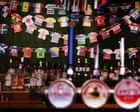
Consumer confidence in the UK rose to its highest level in almost two years in July, driven by England's run in the men's football World Cup, a rise in domestic holidaymaking, and easing geopolitical uncertainty. Barclays said the improved mood translated into greater willingness to spend on non-essentials, as people reported feeling more secure in their jobs, offering a boost to sectors from hospitality to cinema.
Barclays' monthly survey found 30% of respondents felt confident about the UK economy in July, a 21-month high and up six percentage points on June, while overall card spending grew 2% year on year. Pubs saw a 10% rise in transactions linked to England's World Cup run, worth an estimated £150m in extra sales, while cinema spending rose 2.6% on the back of Toy Story 5 and The Odyssey. Heatwaves pushed spending towards UK accommodation rather than flights, and a separate British Retail Consortium report found food and clothing sales holding up, though big-ticket items such as furniture and computers were shunned. Retailers' experiences varied widely, with John Lewis, H&M and Zara reporting tough conditions while HMV and Next posted stronger trading.
- UK consumer confidence hit a 21-month high in July, Barclays says
- World Cup, UK holidaying and job security boosted discretionary spending
- Retailers' fortunes diverged: HMV and Next up, John Lewis and Zara struggling
New here? Start with this
Consumer confidence measures how optimistic people feel about their own finances and the wider economy, and it matters because when people feel confident, they tend to spend more on things they don't strictly need, like eating out, holidays or entertainment. Barclays runs a regular survey of UK consumers and card spending that is widely watched by economists and businesses as an early signal of how the economy is faring, alongside separate data from the British Retail Consortium, which tracks sales across shops.
The backdrop to this story is a period of UK economic uncertainty, with households squeezed in recent years by high living costs. Retailers and hospitality businesses, from pubs and cinemas to clothing and department stores, are particularly sensitive to shifts in confidence, since discretionary spending is often the first thing people cut back when they feel insecure and the first thing they restore when they feel better off.
This particular survey period covers July, a month shaped by unusual factors including England's participation in the men's football World Cup and a spell of hot weather, both of which can temporarily boost spending in specific sectors such as pubs, cinemas and UK holiday destinations. Understanding this story means recognising the difference between a genuine, lasting improvement in household finances and a short-term lift caused by one-off events like a major sporting tournament or a heatwave.
Both sides, in good faith
The strongest fair case each way — we don't pick a winner.
The case for
Those inclined to read the figures optimistically would point out that confidence is up sharply on a broad front, not narrowly on the back of one event: job security perceptions have improved, geopolitical anxiety has eased, and spending gains span pubs, cinemas, food and accommodation. On this view, the World Cup and warm weather acted as catalysts that released pent-up willingness to spend, and the fact that everyday retail categories are holding up suggests underlying household finances are in better shape than the gloomy narrative of recent years implied.
The case against
A more cautious reading would note that the uplift rests heavily on one-off, weather- and tournament-driven effects rather than durable improvement, and that consumers are still visibly avoiding big-ticket commitments such as furniture and computers, the sort of purchases that signal genuine confidence in the future. The sharply divergent fortunes of retailers, with stalwarts like John Lewis, H&M and Zara reporting difficult trading even as the headline figures improve, would be cited as evidence that any recovery in mood is patchy, fragile and easily reversed once the football and the sunshine fade.
Business Culture Economy Football Software Sport Technology Travel UK World