Cornell reopens sexual assault investigation after civil lawsuit revives October 2024 fraternity allegations
Developing story first seen 2 hours ago
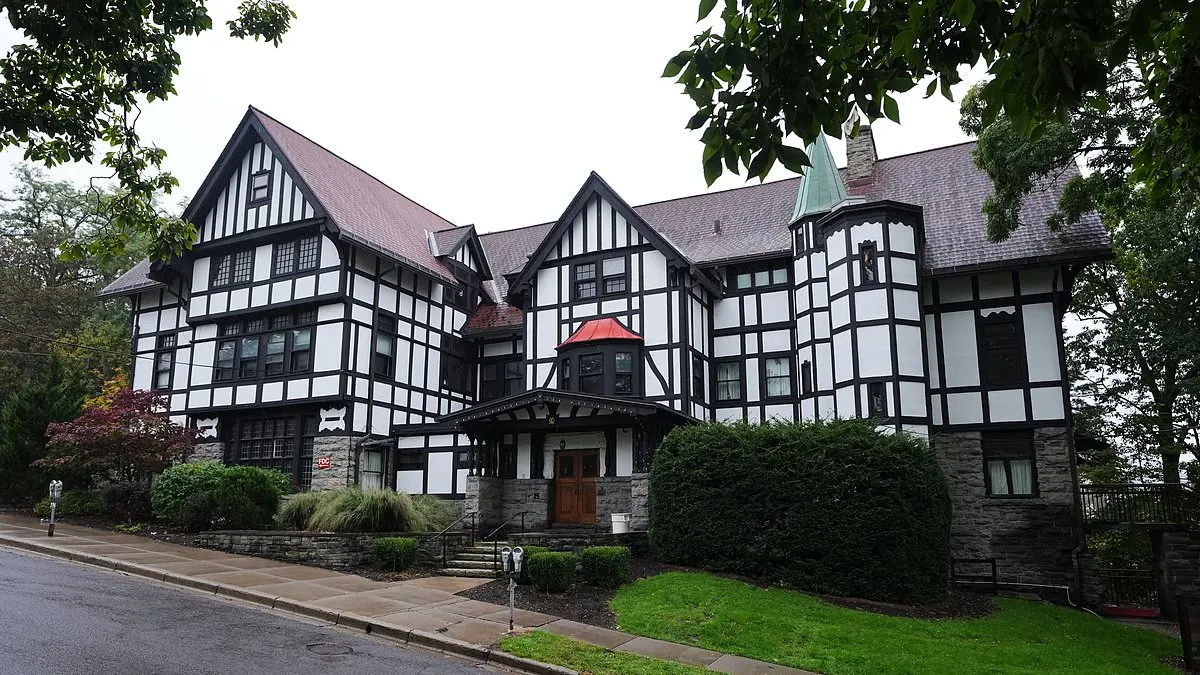
New York Governor Kathy Hochul has reassigned the criminal investigation into sexual assault allegations involving seven Cornell students to Attorney General Letitia James, following criticism of the original inquiry. A civil lawsuit filed by the woman who made the allegations has brought the case back into public focus and sparked debate on campus about safety and due process.
The lawsuit alleges the woman was assaulted at the Chi Phi fraternity house in October 2024 after being encouraged to consume more alcohol and drugs. None of the seven men has been charged; those with lawyers have denied wrongdoing through their counsel. Students have questioned how Cornell and authorities handled the case, while one student said an accused man remains on campus.
- Governor Hochul assigned the criminal inquiry to New York’s attorney general.
- A civil lawsuit revived allegations concerning seven Cornell students.
- No criminal charges have been filed, and represented men deny wrongdoing.
New here? Start with this
In October 2024, a woman alleged she was sexually assaulted at a fraternity house at Cornell University. She reported losing consciousness during the incident at the Chi Phi house, and claimed other students circulated a photograph of her on social media during the night. Local authorities investigated the allegations but concluded without bringing criminal charges.
The woman has now filed a civil lawsuit against seven Cornell University students named in her account. Civil lawsuits operate under different rules from criminal cases and can proceed independently of criminal investigations. This action has brought the October allegations back into public attention and raised questions about the thoroughness of the original investigation.
The matter has sparked debate within the Cornell community about how universities and law enforcement handle sexual assault allegations. Some have questioned the adequacy of the original investigation, whilst others have raised concerns about the effects of renewed public attention on the accused students before any new criminal charges have been brought.
Both sides, in good faith
The strongest fair case each way — we don't pick a winner.
The case for
Concerns about the initial investigation's thoroughness appear justified, given that the complainant has pursued civil action in parallel, suggesting dissatisfaction with the criminal process. Allegations involving deliberate encouragement of excessive substance consumption before assault constitute serious misconduct warranting rigorous investigation regardless of initial prosecutorial decisions. Institutional accountability for campus safety and proper handling of such grave allegations demands that any investigative gaps be addressed through more senior oversight.
The case against
The fact that no charges have been brought against any of the seven accused, despite investigation, indicates insufficient evidence for criminal prosecution, and those represented by counsel deny wrongdoing. Reopening a criminal investigation primarily because of civil lawsuit pressure risks compromising investigative independence and establishing a troubling precedent where civil litigation determines criminal procedure. The accused individuals retain fundamental rights to fair process and presumption of innocence, which ought not be jeopardised by procedural reassignments absent substantive new evidence.
Full account
Cornell University has reopened a criminal investigation into sexual misconduct allegations following the filing of a civil lawsuit that has brought renewed scrutiny to the case. The matter concerns incidents allegedly occurring at the Chi Phi fraternity residence in October 2024, involving seven male students and an undergraduate woman referred to in legal documents as Jane Doe. The fresh inquiry represents a reversal of the previous prosecution's decision not to pursue criminal charges.
The complainant has testified that she arrived at the fraternity house already intoxicated and was subsequently pressured to consume additional substances, including ketamine. She reported that multiple men engaged in sexual activity with her sequentially whilst she repeatedly lost consciousness. Her account to university investigators depicted her as feeling cornered and objectified throughout the evening. Social media communications among fraternity members, recovered during the disciplinary inquiry, included crude references to her and messages suggesting the men recognised her vulnerable state. Three of the seven named defendants have denied the allegations through their legal representatives.
Cornell's Title IX investigation resulted in the expulsion of two students and suspension of two others. No criminal charges had been filed under the original county prosecutor. The state's governor has since removed the county district attorney from the case and appointed the state Attorney General to oversee a renewed investigation, citing concerns about the original handling of the allegations and stating the victim had been failed at every institutional turn.
The reopened case has created sharp divisions both on campus and nationally. The complainant's supporters have organised public solidarity efforts aimed at shielding her from online doxing attempts, with many women posting videos declaring 'I am Jane Doe'. Simultaneously, broader debate has intensified regarding the appropriate balance between institutional protection for assault complainants and the principle of innocence until proven guilty, with students expressing conflicting views about whether one of the accused should remain enrolled.
Where outlets differ
Source 2 offers sustained criticism of public and media pronouncements of guilt, characterising the accused as pre-judged by politicians and commentators without criminal charges being filed. Sources 1, 3 and 4 focus primarily on the allegations and institutional responses without this meta-commentary on media coverage.
Source 3 emphasises the victim's harassment by online sleuths attempting identification and her psychological distress. Source 4 foregrounds campus atmosphere and student perspectives on the accused's continued presence on campus.
Source 2 questions whether evidence supports criminal charges or reflects consensual activity amongst intoxicated individuals. This framing does not appear in the other sources.
Source 1 provides the most extensive investigative detail from the university's fact-finding process. Source 4 prioritises reporting campus mood and student opinion over evidentiary particulars.
Sources 3 and 4 frame the governor's intervention as a necessary correction to inadequate initial handling. Source 2 characterises such political involvement as theatrical and virtue-signalling unrelated to truth-seeking.
Coverage
- Daily Mail — Cornell fraternity members accused of sharing student’s Snapchat image during alleged assault
- Daily Mail — Cornell assault allegations risk prejudging seven students before inquiry
- BBC World — Lawyer says Cornell rape accuser faces online harassment after lawsuit
- Daily Mail — Renewed Cornell investigation sparks campus anger over uncharged men