Could the UK ever run out of water?
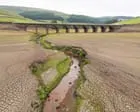
England and Wales are experiencing serious drought conditions after England recorded its driest July since records began, with half of England and all of Wales officially affected. The article says the risk is not that water will disappear entirely, but that prolonged heat, low rainfall and weak storage infrastructure can strain rivers, reservoirs, groundwater, ecosystems and supplies to homes and businesses.
England received only 7% of its long-term average July rainfall, while the drought follows another severe event in 2022. Winter rain can replenish supplies, but hotter, drier summers increase demand; no UK reservoir has been built since 1992, and water companies reportedly lose 2.87bn litres daily through leaks. Water is also heavily used by agriculture, power generation, manufacturing, fish farms and golf courses.
- Severe drought is placing England and Wales’ water supplies under pressure.
- Hotter, drier summers make replenishment and storage increasingly important.
- Leakage and competing water users worsen the strain.
New here? Start with this
The UK is not likely to lose all its water, but drought can leave less available where and when it is needed. Supplies come from rainfall stored in reservoirs and underground, as well as from rivers; these also support wildlife and ecosystems.
Water companies collect and treat water for homes and businesses, while farms, power stations and industries also rely on it. Hot, dry weather can reduce supplies just as demand rises, and leaks mean some treated water is lost before it reaches customers.
The balance depends partly on how much rain falls in winter and how well water can be stored and moved. Longer or more frequent dry spells could put greater pressure on supplies, rivers and other users.
Both sides, in good faith
The strongest fair case each way — we don't pick a winner.
The case for
Water scarcity poses a genuine threat to the UK, particularly with climate change driving hotter, drier summers whilst infrastructure stagnates—no new reservoirs in decades, massive leakage losses, and competing demands from households, agriculture and industry. Recent severe droughts represent a pattern rather than isolated events, and without substantial investment in storage and system efficiency, the UK faces critical pressure points where some regions could struggle to meet essential water needs during prolonged dry periods.
The case against
The UK's annual rainfall remains substantial; the core issue is infrastructure management and distribution rather than absolute scarcity. Water is not consumed but cycles through systems and can be recycled, so 'running out' mischaracterises the actual challenge. Whilst investment in leak reduction and system efficiency is sensible, historical droughts have been managed without system collapse, and existing resources, properly maintained and distributed, can sustain the population without catastrophic scenarios.