World news and discussion on TalkFuse.
Cuba edges toward breakdown as power cuts and US meddling push society to brink
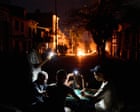
Cuba is sliding further into crisis as a six-month US oil blockade, part of Washington's campaign to topple the communist government, compounds an already fragile electricity system and worsening social order. The national grid has collapsed three times in ten days, and with summer temperatures in the mid-30s, nightly power cuts have driven residents to bang pots and pans in protest, reflecting mounting frustration over lost sleep, spoiled food and dwindling hope of relief.
Cuba's energy minister says there is a "total absence of fuel" and no access to spare parts for thermoelectric plants, while officials blame decades-old infrastructure as much as the blockade. The pressure campaign has intensified since the US military detained Venezuela's Nicolás Maduro in January, with Donald Trump vowing to bring down Cuba too, and sanctions have driven out foreign firms including hotel operators, airlines and shipping companies. Crime is also rising sharply in what was once one of Latin America's safest countries, with muggings and break-ins increasing as police become scarcer, while a Florida court has charged 95-year-old Raúl Castro with murder, raising fears of a Venezuela-style intervention.
In short
- Cuba hit by third nationwide blackout in ten days amid US oil blockade
- US pressure campaign aims to topple Cuba's communist government
- Crime rising, foreign firms exiting, Raúl Castro charged with murder in US
Steelman: both sides, in good faith
The strongest fair case each way — we don't pick a winner.
The case for
Proponents of US pressure argue that Cuba's government is genuinely authoritarian, lacking democratic accountability or meaningful respect for civil liberties, and that economic measures represent a legitimate non-military tool to encourage reform where voluntary change has not occurred. They contend that the regime's systematic repression justifies external pressure, and that targeted sanctions are more humane than military intervention, particularly when paired with international efforts at accountability for past abuses.
The case against
Critics argue that the six-decade blockade constitutes collective punishment of ordinary Cubans uninvolved in governance, causing measurable humanitarian harm through fuel shortages, spoiled food and deteriorating infrastructure whilst failing to produce democratic change. They contend the sanctions violate international principles regarding proportionate measures and constitute precisely the form of economic coercion the US condemns when deployed by others, and that genuine support for the Cuban people would involve engagement and trade rather than isolation that strengthens the regime's monopoly on resources.
Explained simply
Cuba is experiencing severe blackouts, with electricity cutting out for hours each night. The power crisis combines long-standing problems with aging infrastructure and a six-month embargo imposed by the United States, which has stopped fuel shipments as part of its campaign to pressure the Cuban government.
The United States tightened its embargo under the Trump administration, particularly after detaining Venezuela's leader Nicolás Maduro in January. These measures have pushed foreign companies—airlines, hotels and shipping firms—out of Cuba, limiting access to the fuel and replacement parts needed to keep the power plants running.
The blackouts are causing widespread hardship, with residents enduring lost sleep and spoiled food, prompting public protests. Rising crime and diminishing police presence have compounded concerns, and there are fears the situation could destabilise further given the recent events in neighbouring Venezuela.
Americas Business Markets World