Czech government faces no-confidence vote over budget deficit and PM’s conflict of interest
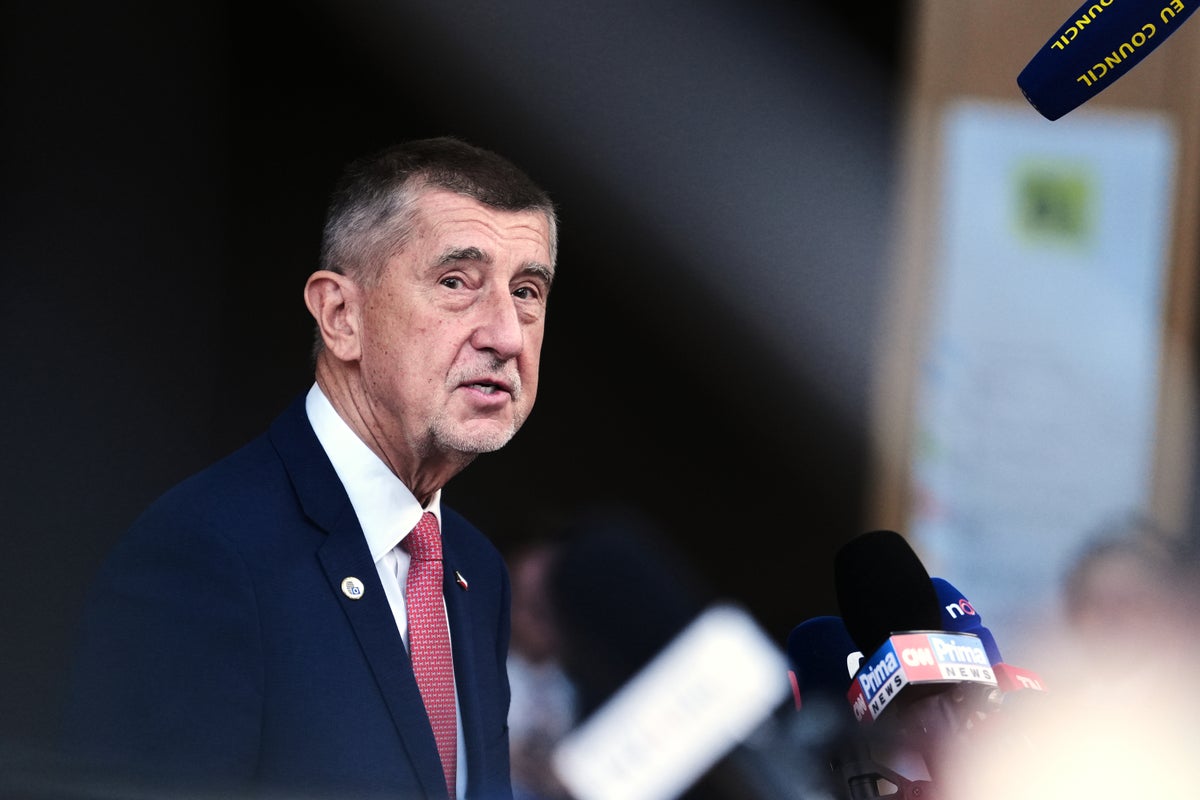
The Czech government led by Prime Minister Andrej Babiš faced a parliamentary no-confidence vote over its proposed 2027 budget deficit and concerns about his business interests. Opposition parties say the planned shortfall is excessive, while the government argues it is needed to fund investment, health care, higher pensions and public-sector pay.
The draft deficit is 386 billion koruna (about $18 billion), the second largest in the country’s history; this year’s deficit is expected to reach 310 billion koruna. Although Babiš transferred about 200 of his companies to an independent trust after returning to power, the European Commission said the arrangement did not sufficiently address a potential conflict of interest and suspended some payments to his Agrofert conglomerate. The opposition has also criticised his attacks on courts, judges and the media, and his coalition includes groups that oppose some EU policies and seek to reduce support for Ukraine.
- Czech opposition called a no-confidence vote over the budget and Babiš’s business interests.
- The proposed 2027 deficit is 386 billion koruna, the country’s second largest.
- The EU says Babiš’s trust arrangement does not resolve potential conflicts of interest.