Data centers’ energy demand threatens Trump’s “Made in America” plan
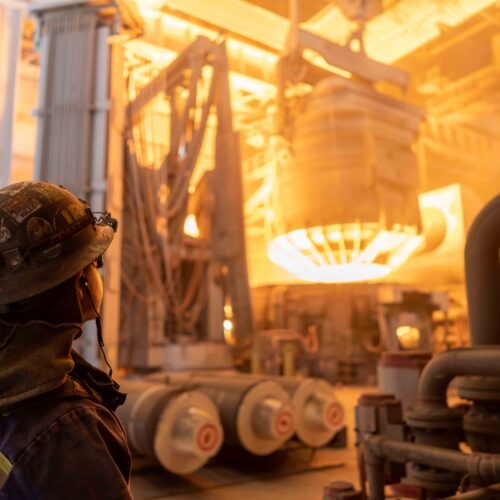
The rapid expansion of artificial intelligence data centres across the eastern United States is creating significant financial pressure on traditional manufacturers dependent on affordable electricity. The PJM Interconnection power grid, serving thirteen states, is experiencing unprecedented demand from data centre operators, driving capacity costs more than tenfold higher since 2024. Brick manufacturers, steelmakers, and other industrial producers report monthly electricity bills that have soared by hundreds or thousands of pounds, with some companies facing 70 percent increases in production costs that are forcing difficult decisions about pricing and operations.
The situation exposes an underlying contradiction in the Trump administration's policy priorities: championing both a domestic manufacturing comeback and the technology companies whose data centres are consuming vast quantities of power. Government attempts to resolve the infrastructure gap, including pledges from major technology firms to finance new power generation capacity, have not established binding mechanisms to address the growing supply shortfall. Industry analysts warn that demand will outpace available power by significant margins within two years, creating the genuine risk of production disruptions that would directly undermine the manufacturing competitiveness the administration claims to prioritise.
- AI data centre expansion is driving electricity costs sharply higher for Rust Belt manufacturers, with grid capacity prices increasing from $28.92 to $329.17 per megawatt-day since 2024
- Steel and brick makers report electricity bill increases of 70 percent or more, threatening production viability and forcing some to consider relocation
- Trump's manufacturing revival goals conflict with simultaneous backing of data centre expansion; current infrastructure pledges from tech companies lack binding enforcement
AI Americas Art Culture Government Politics Technology World