David Ellison’s Friday ParaBros News Dump: CEO Complains About “Needless Costs” Of State AGs’ Antitrust Suit As Mexico Approves Merger
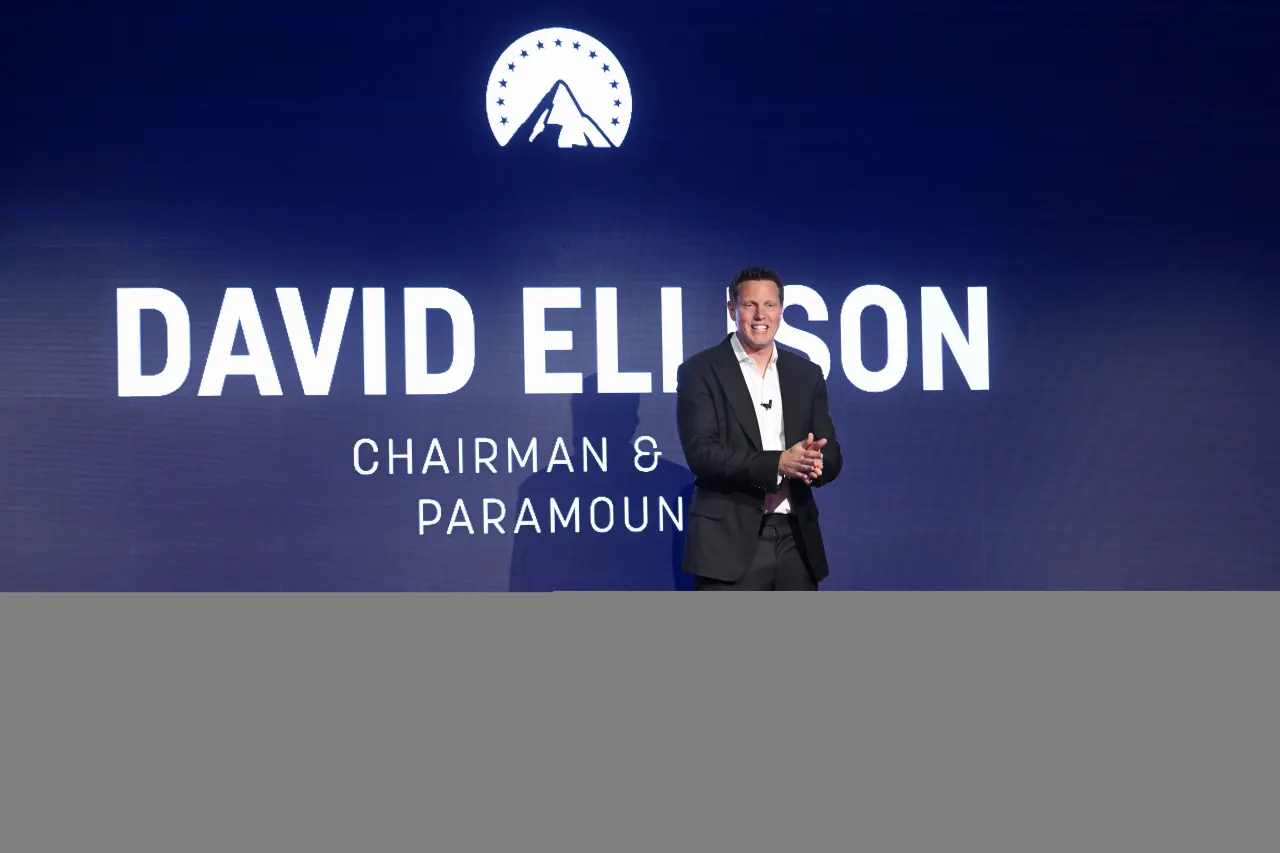
Paramount chief executive David Ellison said a proposed $111 billion merger with Warner Bros. Discovery is being delayed by an antitrust lawsuit brought by 12 US state attorneys general. He argued that the companies could close immediately were it not for the case, despite approvals from regulators in Mexico and 68 other jurisdictions, including the EU, UK and US Department of Justice.
The state action, led by California and New York, was filed on 13 July, and a two-week trial is scheduled to begin on 2 March 2027. Paramount says it has offered concessions and seeks a response by 1 October, when a $7 million-per-day fee to WBD shareholders would begin; it also faces substantial debt and possible penalties if the deal fails.
- Ellison says 12 state attorneys general are blocking the Paramount-WBD merger.
- Mexico joined 68 jurisdictions in approving the transaction.
- A March 2027 trial could prolong costly uncertainty.
New here? Start with this
Paramount and Warner Bros. Discovery are two large US entertainment companies, with businesses that include film and television studios, streaming services and television networks. Paramount’s chief executive, David Ellison, is seeking to combine them in a deal valued at $111 billion.
Large mergers can face competition reviews because combining companies may reduce consumer choice or give the new business too much influence in a market. US regulators and authorities in other countries have reviewed the proposal, while attorneys general from 12 US states have brought a separate court case challenging it.
The case matters because its outcome could affect whether and when the companies can combine, as well as the costs they face if the deal is delayed or fails. The dispute also raises questions about how competition rules apply to large media businesses and who should decide whether a merger can go ahead.
Both sides, in good faith
The strongest fair case each way — we don't pick a winner.
The case for
The state attorneys general are fulfilling their statutory duty to protect consumers and competition within their jurisdictions. They argue that significant consolidation in media and streaming can reduce consumer choice and content diversity, and whilst federal regulators approved the deal, states have independent authority to assess antitrust implications under state law. Their concern is that this merger warrants the scrutiny federal review may not have adequately addressed.
The case against
The deal has already cleared rigorous scrutiny by the US Department of Justice and competition authorities in 68 jurisdictions, including the EU and UK. Paramount and Warner Bros. Discovery contend that additional state litigation creates substantial costs and uncertainty—including $7 million daily fees to shareholders—without meaningful additional protections. They argue that federal antitrust authorities are best positioned to assess market impacts, and allowing individual states to second-guess federal approval invites regulatory fragmentation that harms shareholders and employees.