Death of Siberian Lab Worker Prompts Trump-Putin Discussion on Plague Research Safety
Developing story first seen 2 hours ago
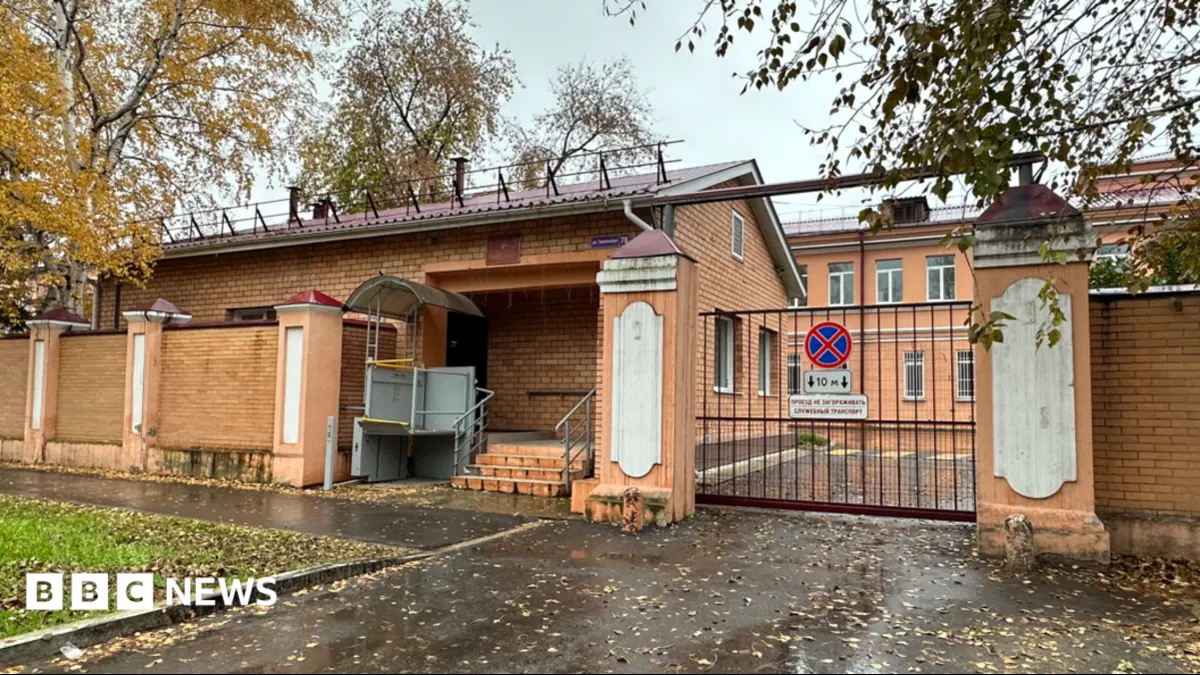
A 28-year-old laboratory technician at the Irkutsk Anti-Plague Research Institute in Siberia, identified as Darya Shipilova, died on October 2 following an incident at the facility. Reports indicate she was exposed to live plague bacteria after accidentally breaking a test tube, though Russian authorities have not yet provided full confirmation of the circumstances or definitive cause of death.
The incident has triggered international concern and high-level diplomatic engagement, with US President Donald Trump announcing plans to discuss the matter with Russian President Vladimir Putin. Simultaneously, the United States is seeking detailed explanations from Moscow regarding the death and laboratory safety protocols, reflecting broader concerns about security standards and oversight at biological research centres handling dangerous pathogens.
- Darya Shipilova, 28, died at Russia's Irkutsk Anti-Plague Research Institute on October 2 following suspected exposure to live plague bacteria from a broken test tube
- Trump announced he will discuss the death with Putin, while the US is demanding clarification from Moscow about the incident and facility safety procedures
- The death raises international questions about oversight and safety standards at high-risk biological research facilities
New here? Start with this
A young laboratory worker in Siberia has died following an incident at a research facility that studies plague. Darya Shipilova, aged 28, died on 2 October after reportedly being exposed to live plague bacteria when a test tube broke at her workplace, the Irkutsk Anti-Plague Research Institute. Russian authorities have not yet confirmed all details of what occurred or the definitive cause of death.
The death has drawn international attention at the highest political levels, with US President Donald Trump planning to discuss the incident with Russian President Vladimir Putin. The United States is demanding more information from Russia about what happened and about safety practices at the facility, reflecting wider concerns about how well dangerous biological materials are controlled and protected in such laboratories.
Both sides, in good faith
The strongest fair case each way — we don't pick a winner.
The case for
A laboratory accident involving deadly plague bacteria at a major research facility raises legitimate international public health concerns, particularly regarding safety protocols at facilities handling the world's most dangerous pathogens. Russia's limited transparency about the incident's circumstances reasonably warrants international interest and discussion of safeguards, not out of mistrust of Russia specifically but because such accidents have potential consequences beyond national borders. Seeking detailed explanations and ensuring robust oversight reflects responsible global stewardship rather than overreach.
The case against
Tragic workplace accidents occur at research facilities worldwide, including in Western countries, and are appropriately handled through national investigation rather than international intervention. Treating this incident as warranting international investigation presupposes inadequacy in Russian protocols and sets a problematic precedent for external scrutiny that would be resisted if applied conversely. The diplomatic approach should respect Russian sovereignty to investigate its own affairs whilst maintaining constructive engagement, rather than presuming failure and demanding verification.
Full account
A technician employed at a microbiology research institute in Siberia has died in circumstances that have triggered diplomatic discussions between the United States and Russia. The 28-year-old woman, identified as Darya Shipilova by Russian media outlets, worked at the Anti-Plague Institute in the city of Irkutsk and became unwell in early October. Available accounts suggest she may have sustained an accidental exposure to dangerous pathogens whilst at the facility, though Russian officials have declined to confirm specific details of the incident. The potential involvement of pneumonic plague—a severe respiratory condition with high lethality rates and rapid progression—has raised international public health concerns.
The World Health Organisation has emphasised the necessity for comprehensive disclosure regarding the circumstances, given the bacterium's characteristics and transmission potential. Pneumonic plague, caused by Yersinia pestis, presents serious risks due to its abbreviated incubation period and severity if untreated. The incident has prompted American officials to seek clarification through formal diplomatic channels, with the State Department lodging an official request for additional information. President Trump has indicated plans to discuss the matter with President Putin in the near future, whilst Secretary of State Rubio has signalled America's preparedness to offer assistance if circumstances prove more critical than Moscow has suggested.
Russian authorities have adopted a cautious public stance, with the Kremlin's spokesman denying that diplomatic exchanges had been formally arranged and characterising media reports as inaccurate. The Russian health authority Rospotrebnadzor has classified Shipilova's death as resulting from pneumonia of indeterminate cause, rather than confirming plague. Officials have noted that contacts of the deceased returned negative test results and have suggested that alternative respiratory infections, including COVID-19, may have been present among exposed individuals. Moscow has contended that its notification of international health bodies followed standard protocols.
The incident has generated considerable public anxiety within Siberia, manifesting in urgent demands for antibiotics across the region's pharmacy network. Multiple medical facilities, including those specialising in paediatric and maternity care, have implemented quarantine procedures, disrupting routine healthcare provision. Local media reports have suggested a possible second fatality associated with the outbreak, though Russian authorities have neither confirmed nor denied such claims. The situation has underscored persistent tensions regarding biological research facility oversight and the adequacy of information-sharing arrangements between Russia and Western nations.
Where outlets differ
Source 1 emphasises Russia's official responses and Peskov's denials; Source 2 highlights America's concrete diplomatic actions, specifically the demarche
Source 1 treats the test tube incident as unconfirmed; Source 2 reports it more definitively as an account Shipilova gave to medical staff
Source 1 focuses on WHO protocols and international health regulations; Source 2 emphasises public panic and antibiotic shortages in pharmacies
Source 1 mentions broad observation of contacts without specifics; Source 2 names specific hospitals and includes personal anecdotes about disrupted services
Source 1 emphasises Russia's compliance with standard reporting procedures; Source 2 emphasises American concerns about transparency and potential concealment